
s

Destinations

Rocky Mountain National Park: Life at the Top of the Rockies

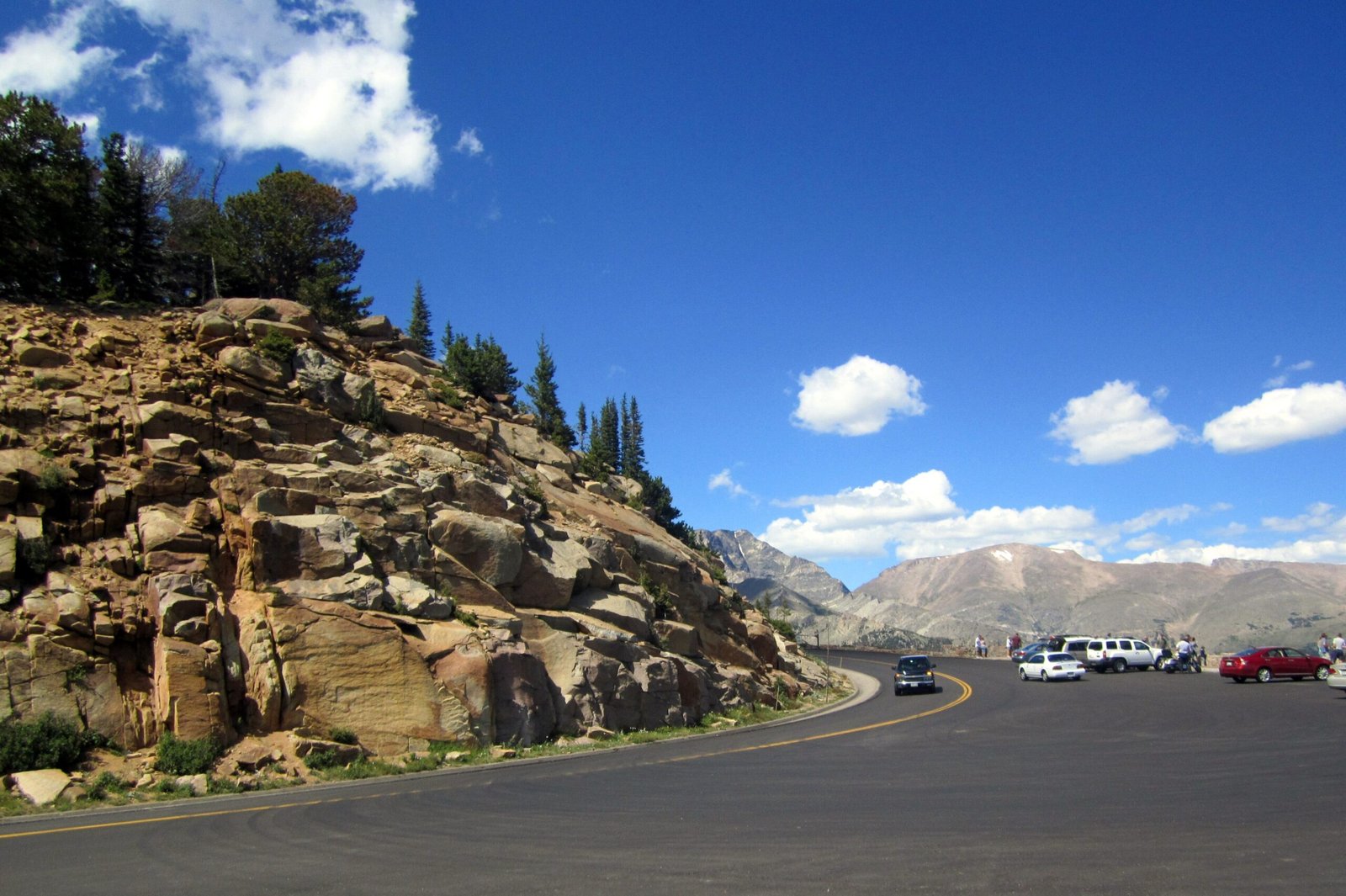
Rocky Mountain National Park straddles the Continental Divide, with dozens of peaks above 12,000 feet, alpine lakes, and herds of elk that wander right through the meadows. In a single day you can drive from montane forest to arctic-like tundra on Trail Ridge Road, the highest continuous paved road in the United States.

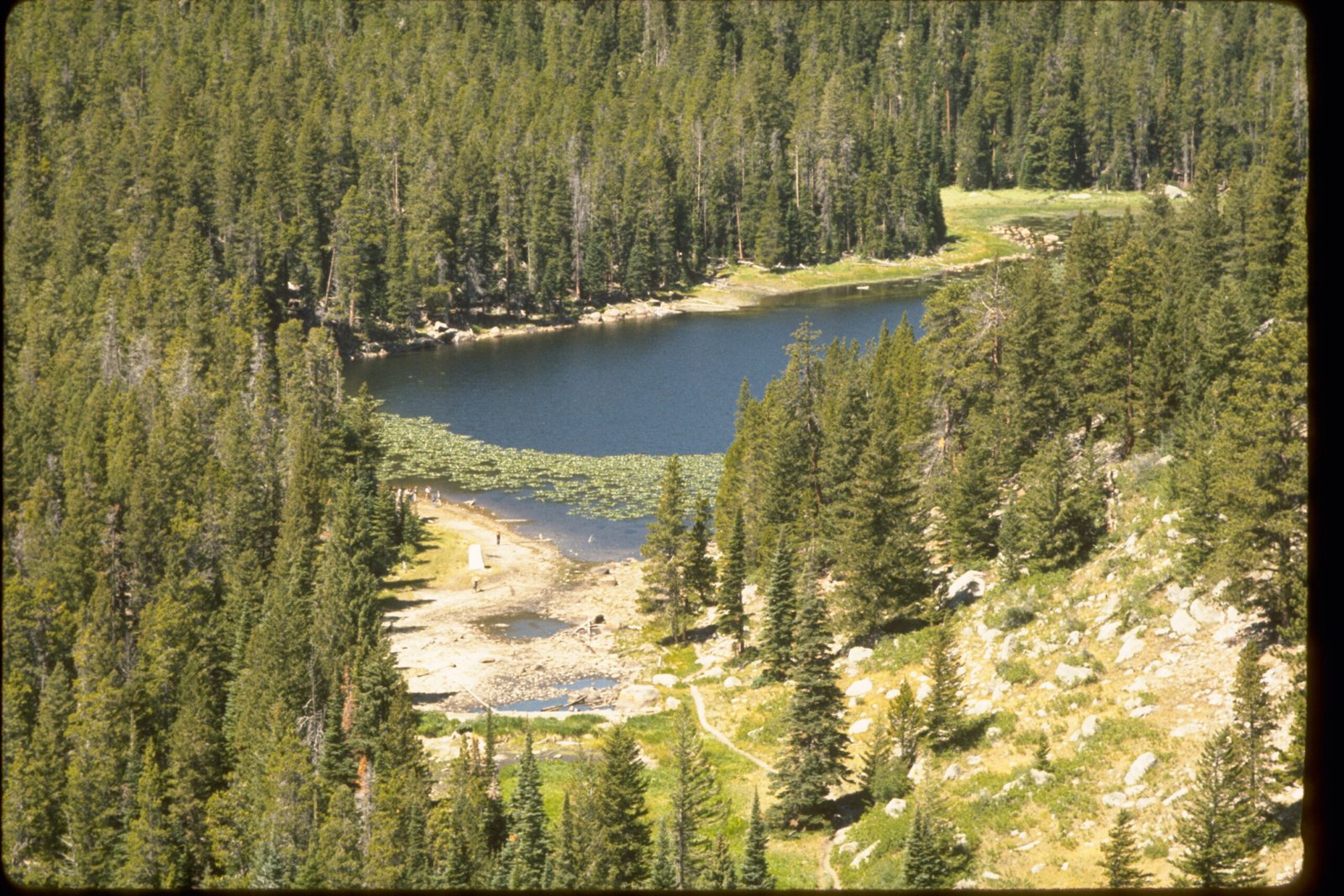
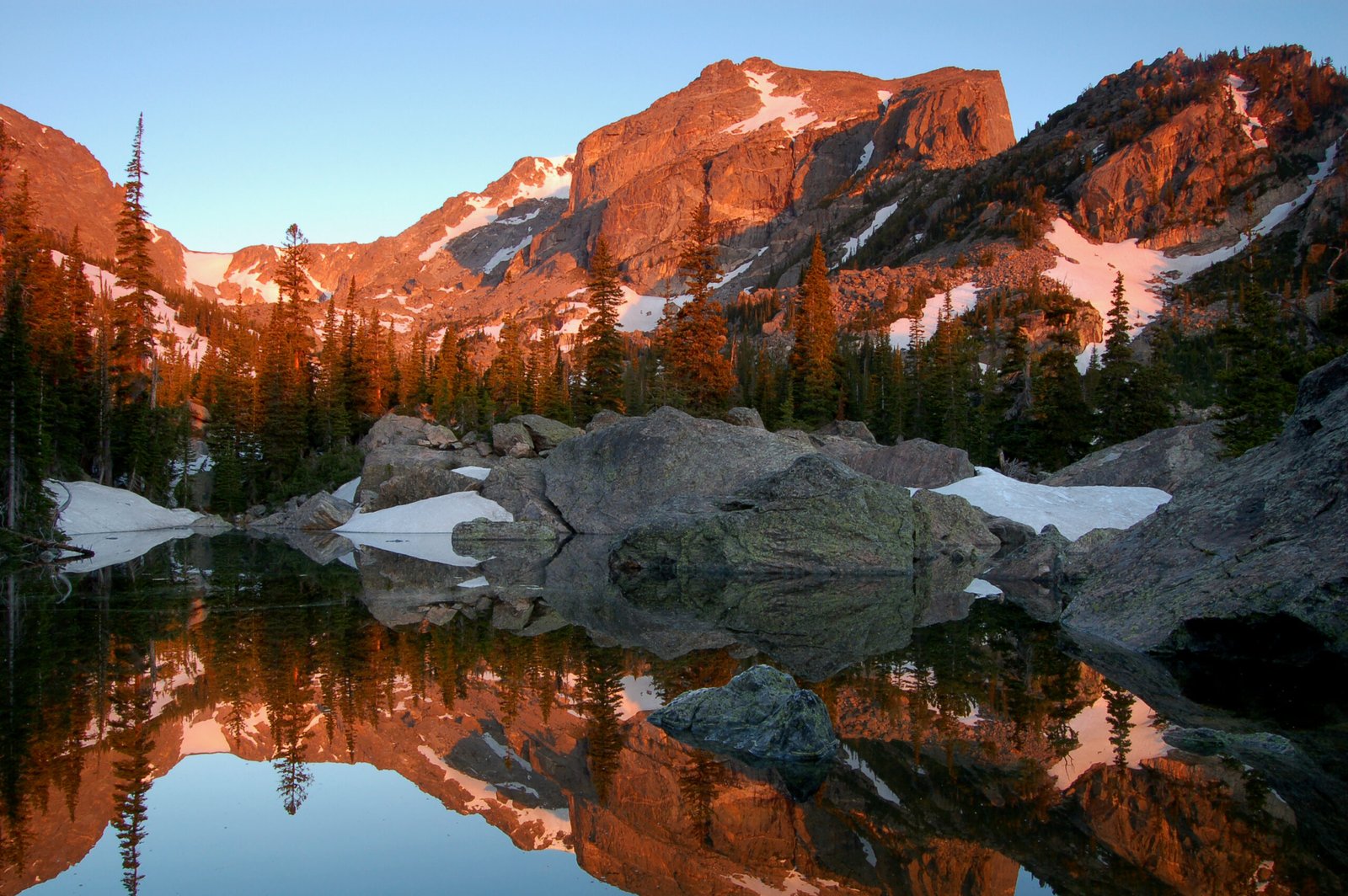
Alpine lake reflection in Rocky Mountain National Park
Timed Entry in 2026
  • Timed Entry: required to enter the park from 9 a.m. to 2 p.m., May 22 through October 12, 2026 (excluding Bear Lake Road).
  • Timed Entry + Bear Lake Road: required from 5 a.m. to 6 p.m., May 22 through October 18, 2026. It covers the Bear Lake Road corridor and the rest of the park.
  • Reservations are made on Recreation.gov and cost $2, plus your entrance fee or pass. A second batch is released the evening before.
  • Starting in 2026, visitors who are not U.S. residents pay an additional $100 per person unless they hold the nonresident annual pass.

Explore by Elevation

The park climbs from about 7,500 feet to over 14,000. Each zone feels like a different park.

Montane

Open meadows and ponderosa pine. Moraine Park and Sprague Lake are easy places to see elk and catch reflections of the peaks.

Subalpine

Dense spruce and fir forest around the lakes. The Bear Lake area links Nymph, Dream, and Emerald Lakes in an easy morning hike, with Alberta Falls nearby.

Alpine Tundra

Above treeline, where plants grow only a few inches tall. Walk the short Tundra Communities Trail and stop at the Alpine Visitor Center on Trail Ridge Road.

Weather and Altitude

Ranger Tip
  • Start hikes early. Summer afternoons bring frequent thunderstorms, and lightning is a serious danger above treeline. Plan to be heading down by early afternoon.
  • Drink more water than you think you need and take it easy on your first day. Headache, nausea, and shortness of breath are signs of altitude sickness; the cure is to go lower.
  • Pack layers. It can be 30 degrees colder on Trail Ridge Road than in Estes Park.
  • Tundra plants take decades to recover from a single footstep. Stay on trails above treeline.

Wildlife Watching

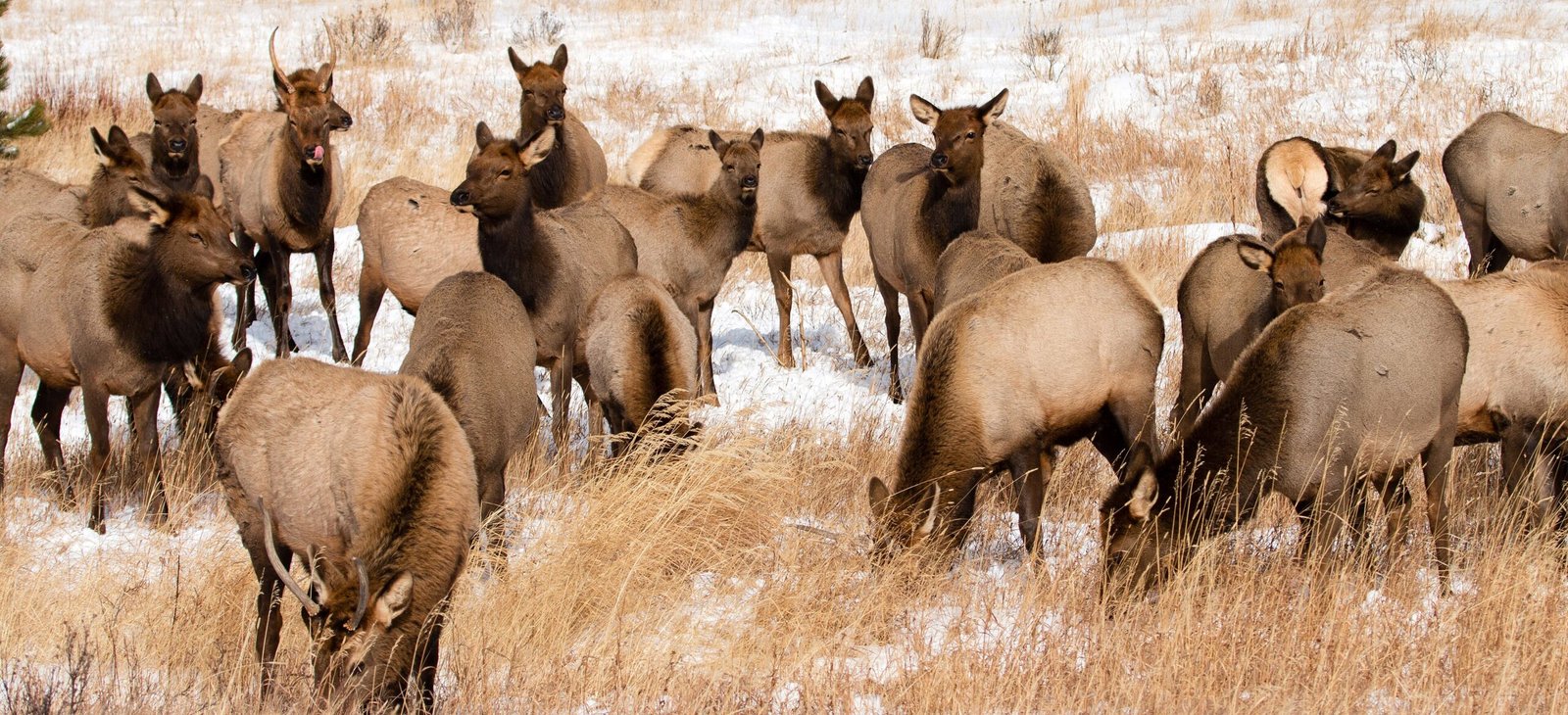
Elk are everywhere, and in September and October the fall rut fills the meadows with the sound of bugling bulls. Moose are most common on the park’s west side in the Kawuneeche Valley. Bighorn sheep gather at Sheep Lakes in Horseshoe Park in late spring and early summer. Give all wildlife plenty of space, and never feed animals.

East Side or West Side?

  • East (Estes Park): The busy side, closest to Bear Lake, Moraine Park, and most of the famous hikes. Most visitors stay here.
  • West (Grand Lake): Quieter, greener, and the best side for moose, with the headwaters of the Colorado River in the Kawuneeche Valley.

Trail Ridge Road connects the two sides. It typically opens around Memorial Day and closes for the season in mid-October, weather permitting.

Lorem ipsum dolor sit amet, consectetur adipisicing elit sed.

Follow us on