1. Visitor Center and Overlook
Start with the exhibits on Cabrillo’s voyage and the Kumeyaay people who lived here long before. Then walk out to the statue and overlook for the classic view across San Diego Bay.



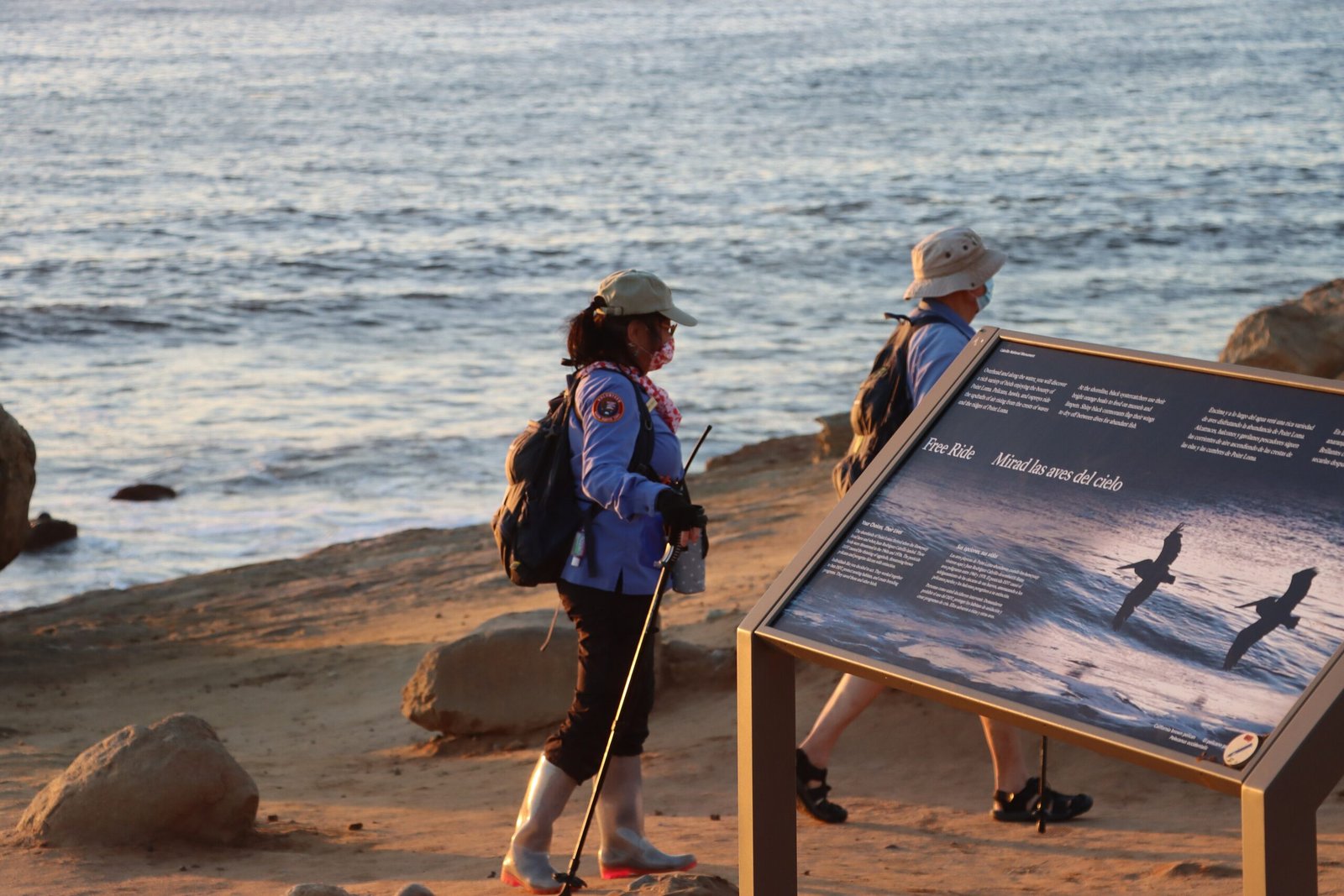
At the tip of the Point Loma peninsula, Cabrillo National Monument marks where Juan Rodríguez Cabrillo’s expedition came ashore in 1542, the first European expedition to reach what is now the West Coast of the United States. Today it pairs history with some of the best views in San Diego: the bay, the downtown skyline, Coronado, and on clear days, the mountains of Mexico.
Cabrillo is small enough to see in three to four hours. Here is an easy order to do it in.
Start with the exhibits on Cabrillo’s voyage and the Kumeyaay people who lived here long before. Then walk out to the statue and overlook for the classic view across San Diego Bay.
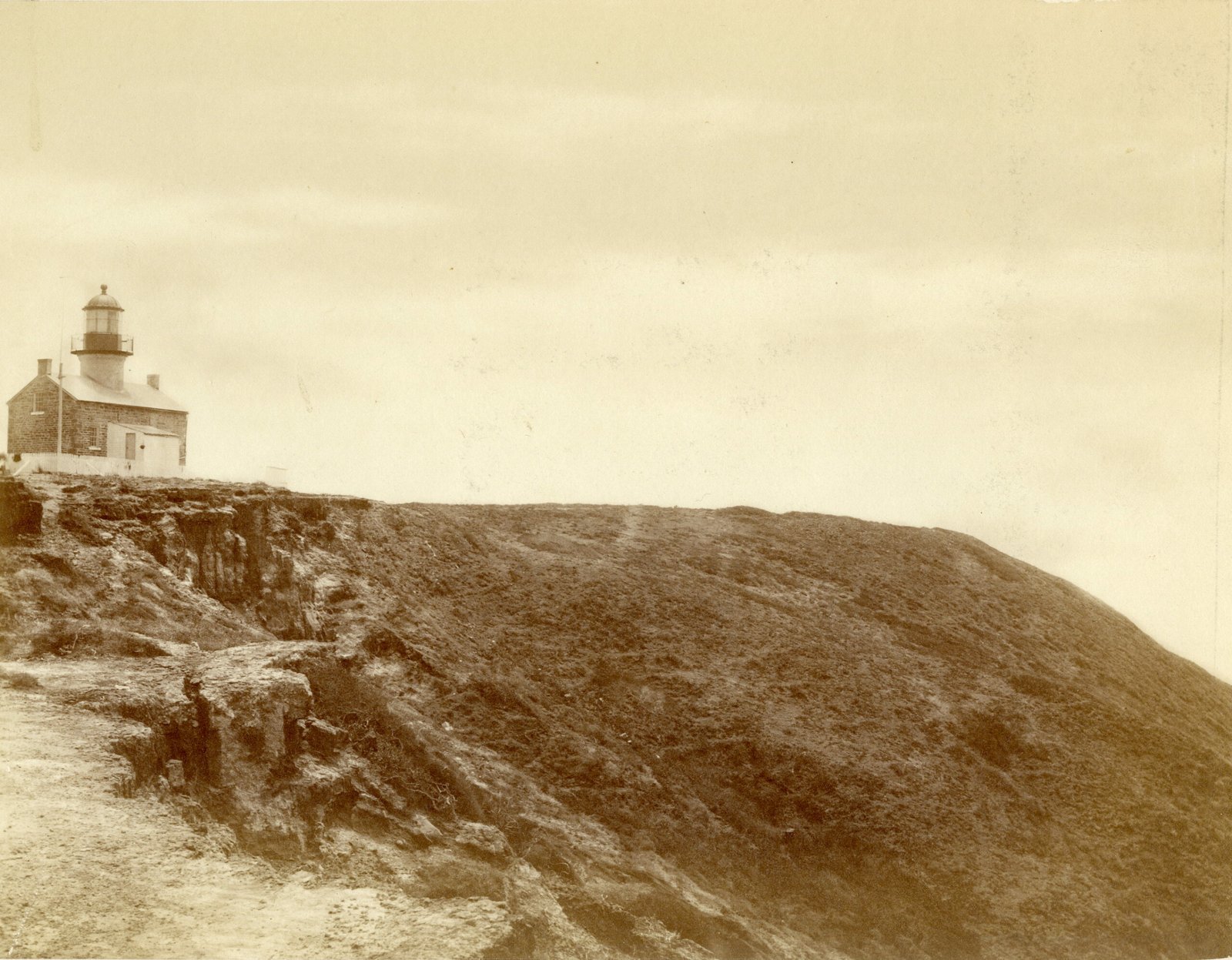
First lit in 1855, the lighthouse sat so high that fog and low clouds often hid its beam. It was replaced in 1891 by a new light closer to the water. Inside, rooms are furnished as a keeper’s family would have lived.
A gentle trail that winds down the bay side of the point through coastal sage scrub, with remnants of military defenses along the way.
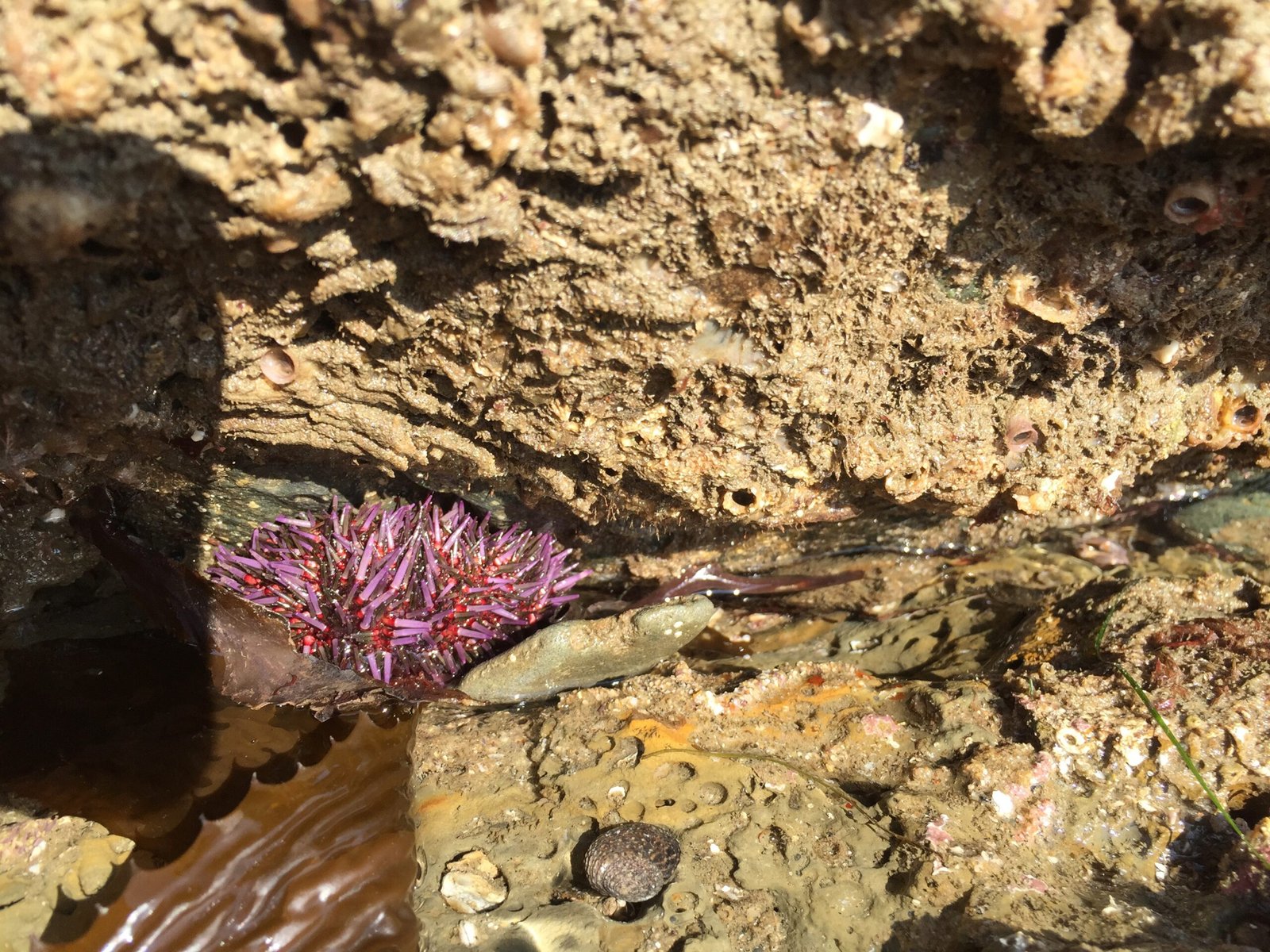
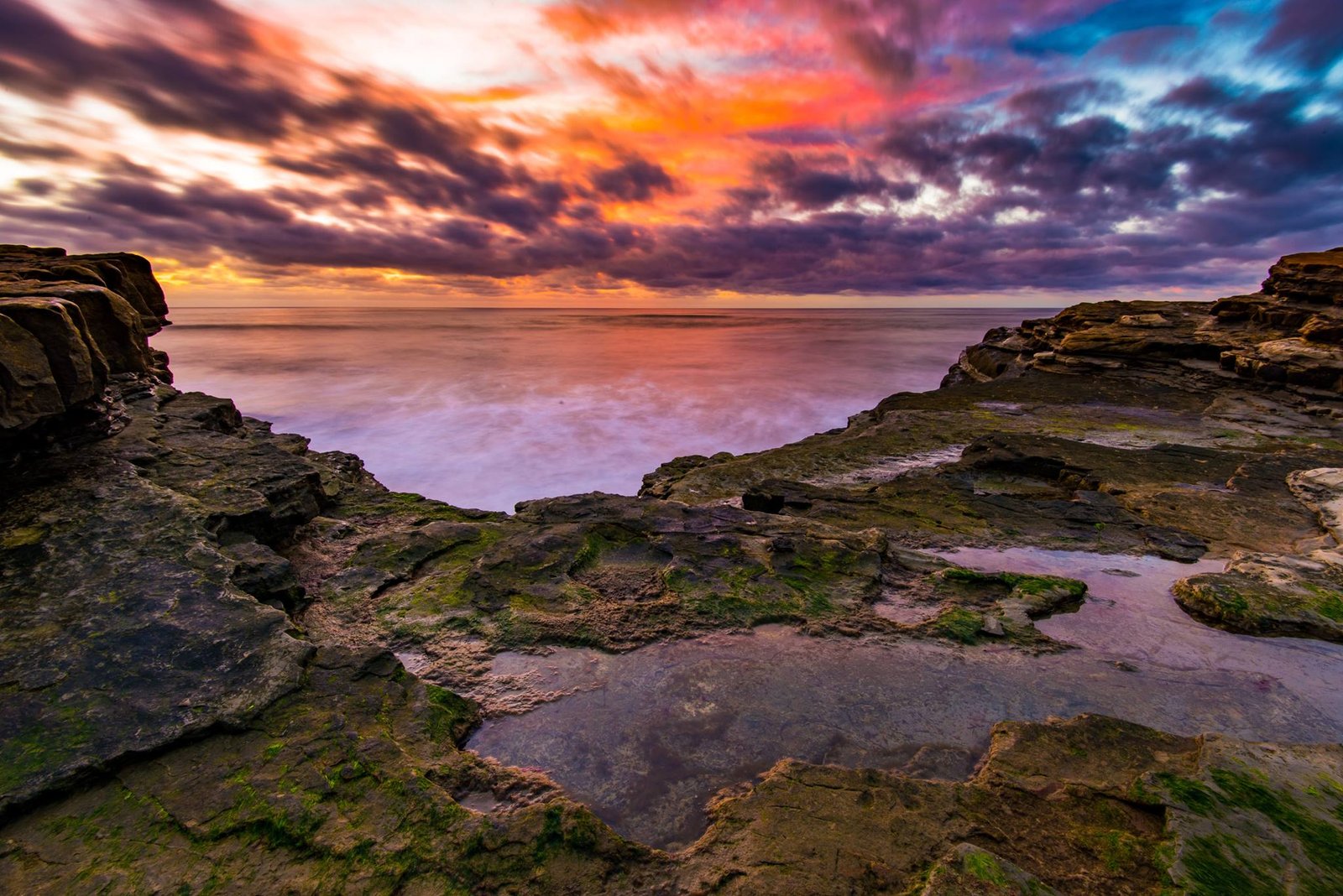
Drive down to the rocky shore on the Pacific side. Time your visit for a low tide to see anemones, sea stars, and octopus hiding in the pools.
Cabrillo protects one of the best remaining rocky intertidal areas in Southern California. The lowest tides of the year often fall in the late fall and winter, so check the park’s tide chart before you go and arrive about an hour before low tide.
From about December through March, Pacific gray whales pass by Point Loma on their migration between Alaska and the lagoons of Baja California. Bring binoculars to the whale overlook near the lighthouse and look for spouts on the horizon, especially on calm mornings.
