


Destinations
Molokaʻi
Kalaupapa National Historical Park
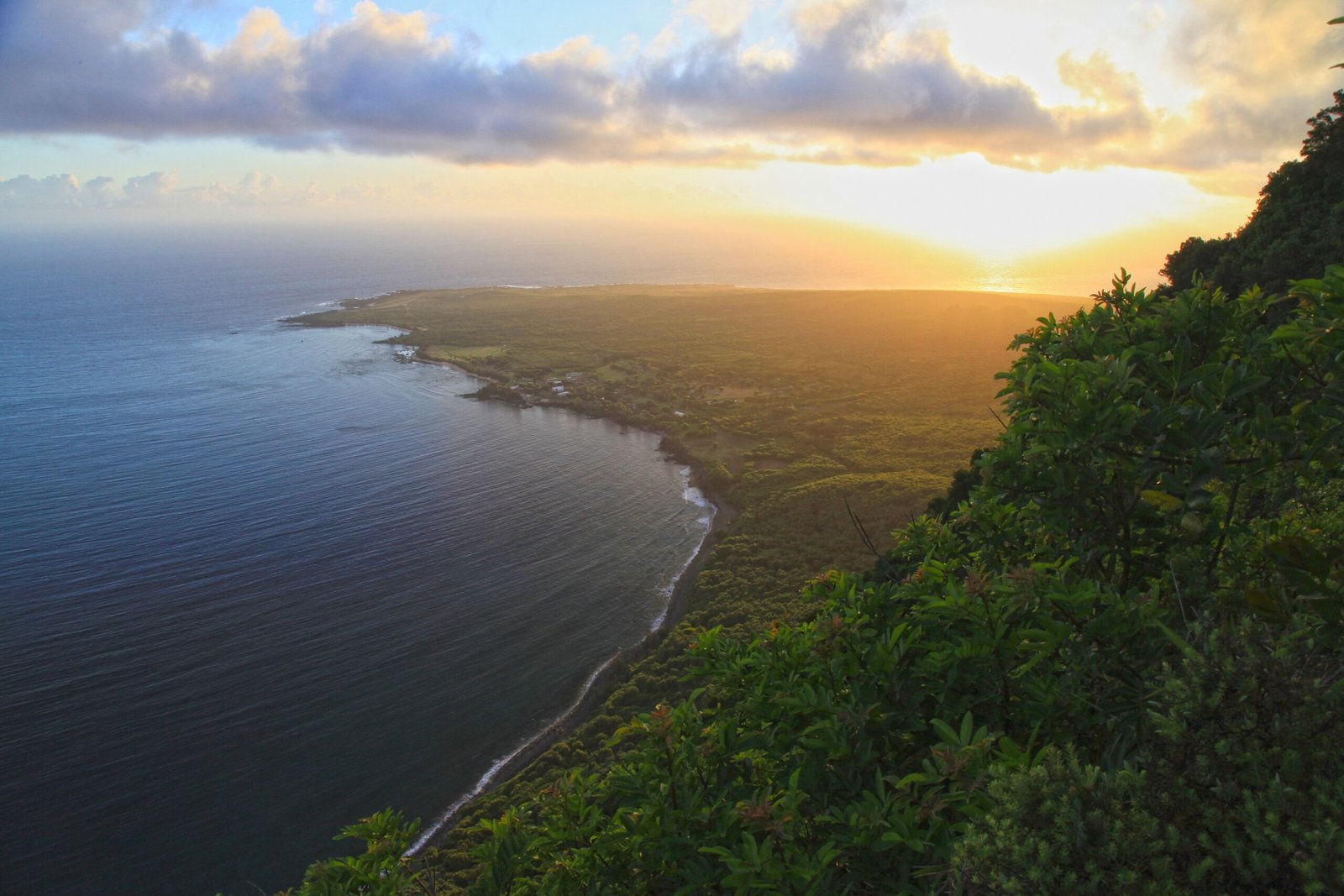
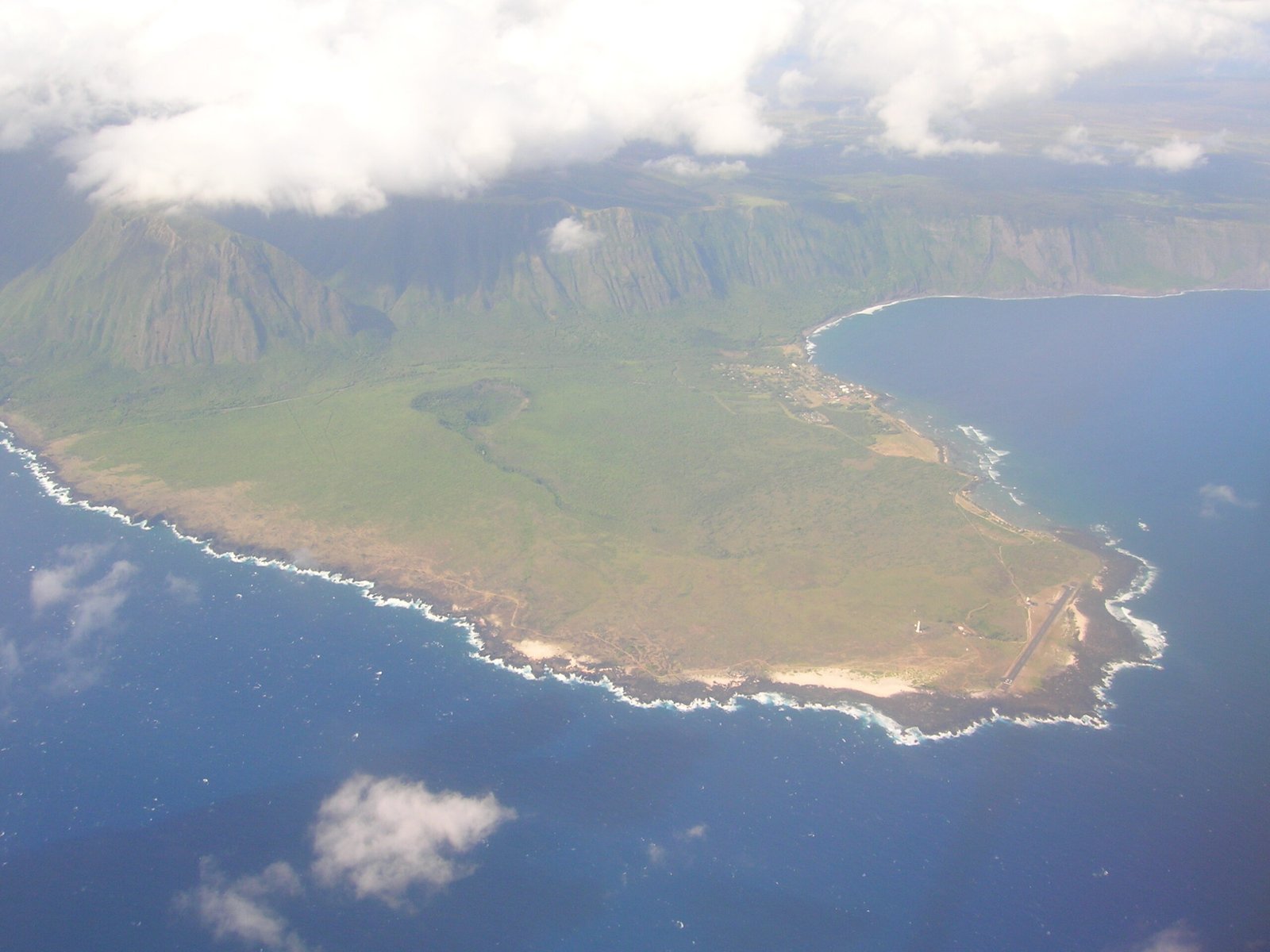
Beneath some of the tallest sea cliffs on Earth lies a flat, green peninsula that holds one of Hawaiʻi’s most important and painful stories. Beginning in 1866, more than 8,000 people with Hansen’s disease (leprosy) were taken from their families and sent here. They built a community, raised churches, made music, and endured. A few former patients still call Kalaupapa home.
Visiting Today
Kalaupapa has always been protected by limits. Visitors may not wander on their own, the number of visitors per day is capped, and everyone must be at least 16.
In July 2026, the National Park Service launched its first ranger-led public tours: a strenuous, all-day hike down and back up the Kalaupapa Pali Trail (about 3 miles each way, with roughly 1,600 feet of elevation change). After the first tour, the park paused future tours to reassess visitor access together with the Molokaʻi community. Check the park’s website before making any plans.
Visiting With Respect
- Kalaupapa is still home to former patients. Treat it as their community, not an attraction.
- Ask before photographing any resident.
- Stay with your guide and on designated routes.
The Story of Kalaupapa
The Kingdom of Hawaiʻi began isolating people with Hansen’s disease on the remote Kalawao side of the peninsula in 1866, and the settlement later grew at Kalaupapa. Families were separated, often permanently. Even after a cure became available in the 1940s, isolation laws stayed in place until 1969.
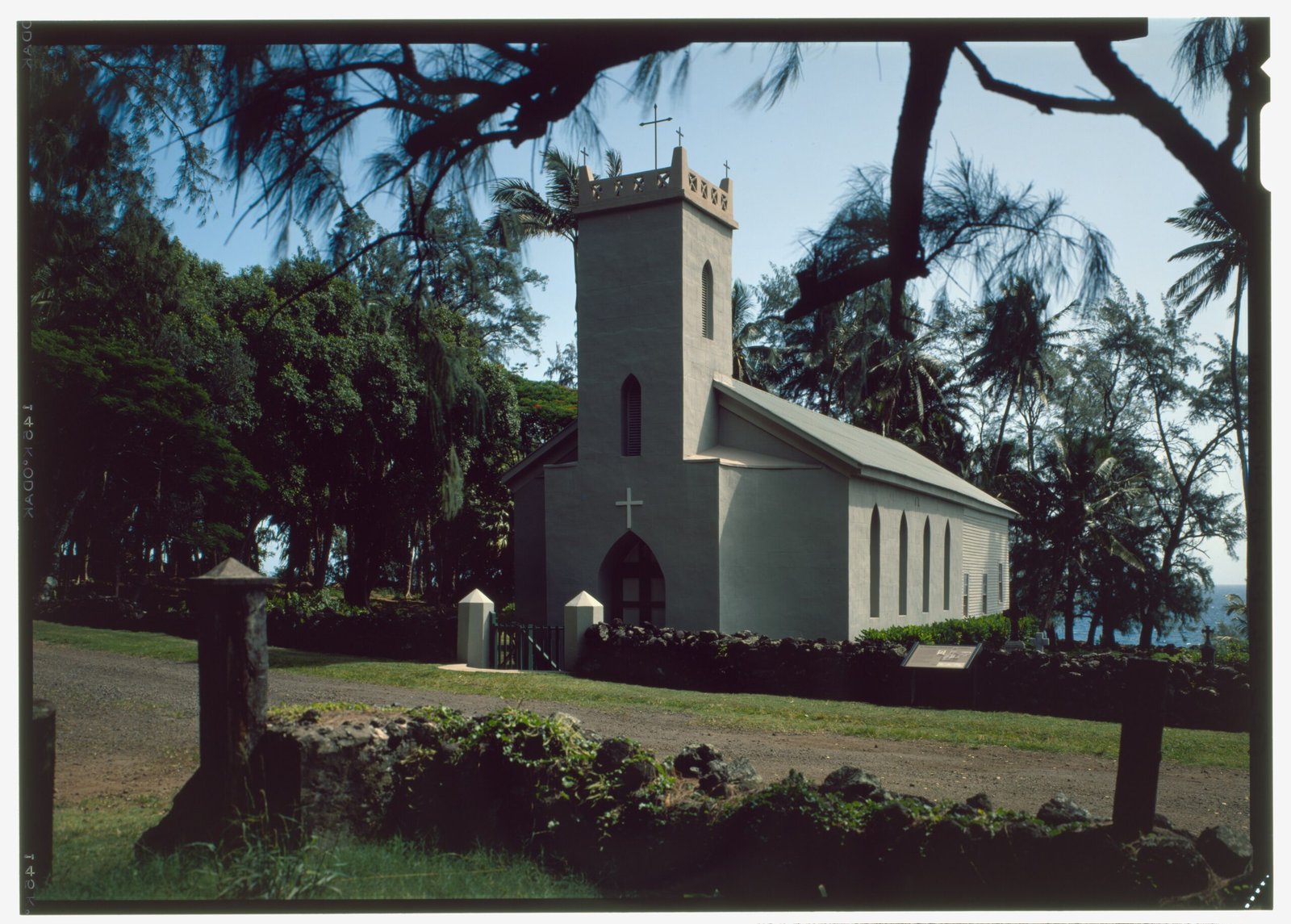
Two figures became known around the world for their care of the people here: Saint Damien, a Belgian priest who arrived in 1873 and died at Kalawao in 1889, and Saint Marianne Cope, a Franciscan sister who served from 1888 until her death in 1918. But Kalaupapa’s story is above all the story of its residents, who made a life with dignity in a place they did not choose.
Kalaupapa asks visitors to listen more than they look.
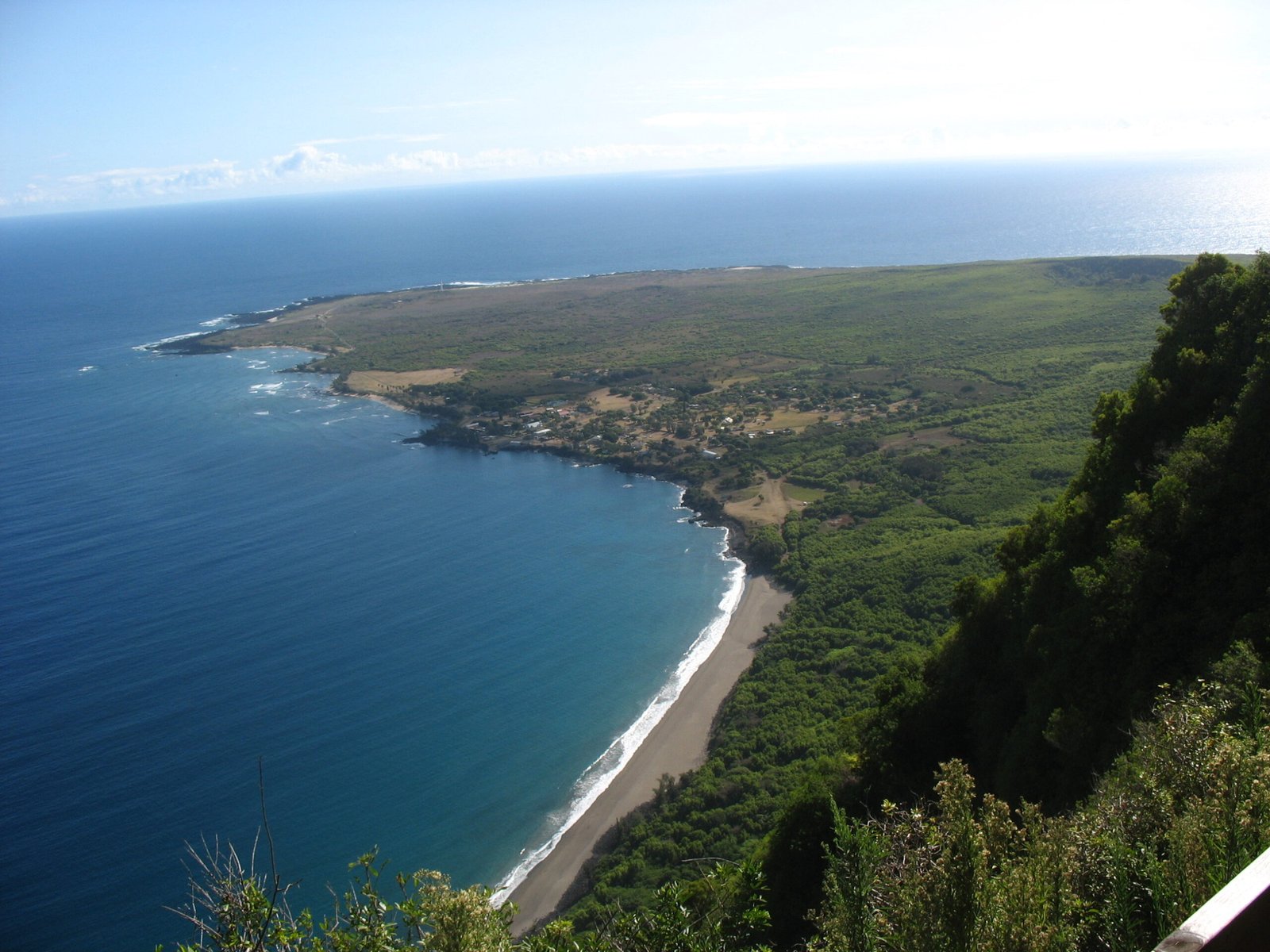
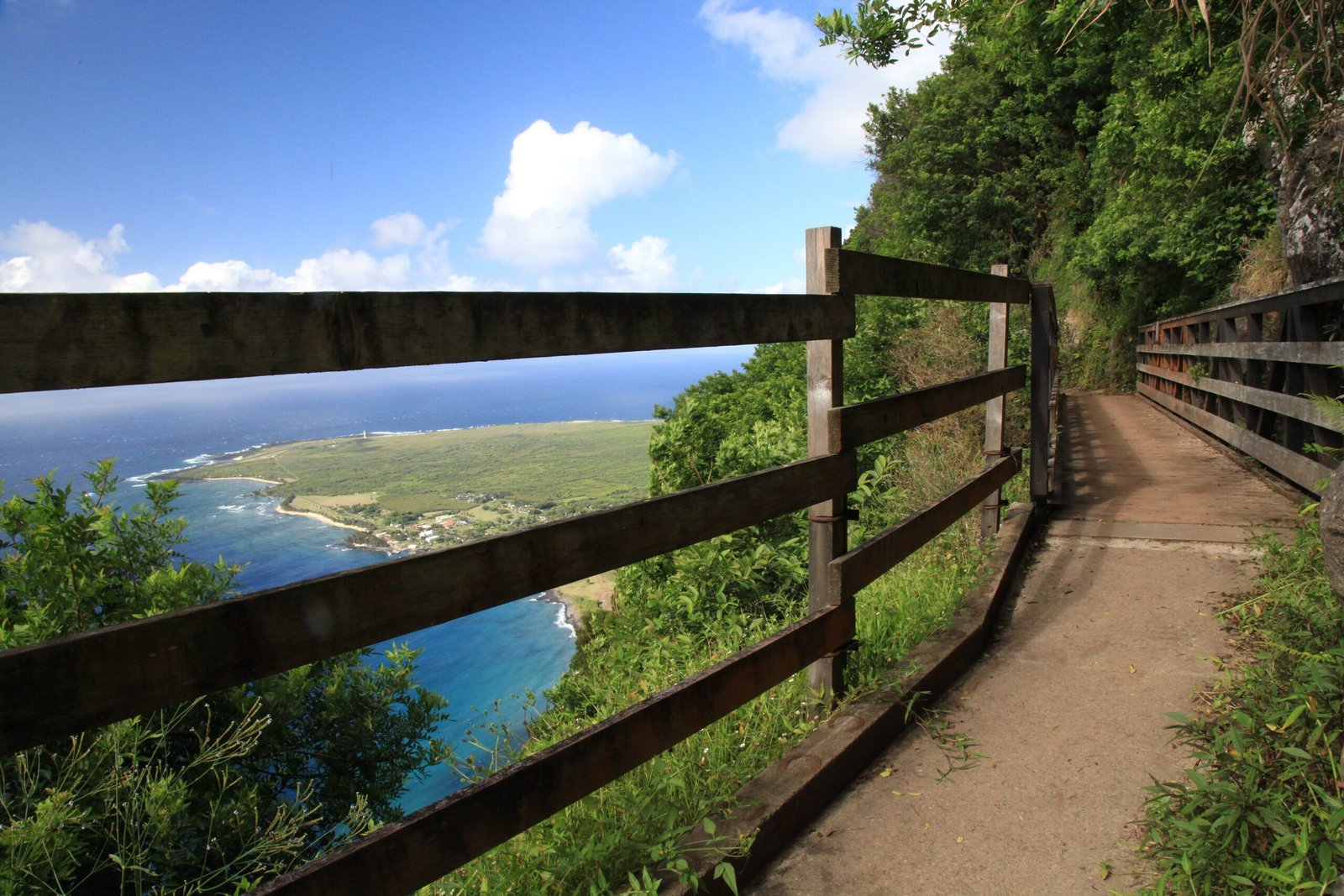
See It From Topside
Getting There
Molokaʻi is a small, rural island with no traffic lights and an unhurried pace. Fly into Molokaʻi Airport (Hoʻolehua), rent a car, and stay in or near Kaunakakai, the island’s main town. Services are limited, so plan meals and gas ahead, and travel gently: Molokaʻi residents are protective of their island’s way of life.

