
a tower on desert landscape

Destinations

A Mile Deep and Worth Every Step

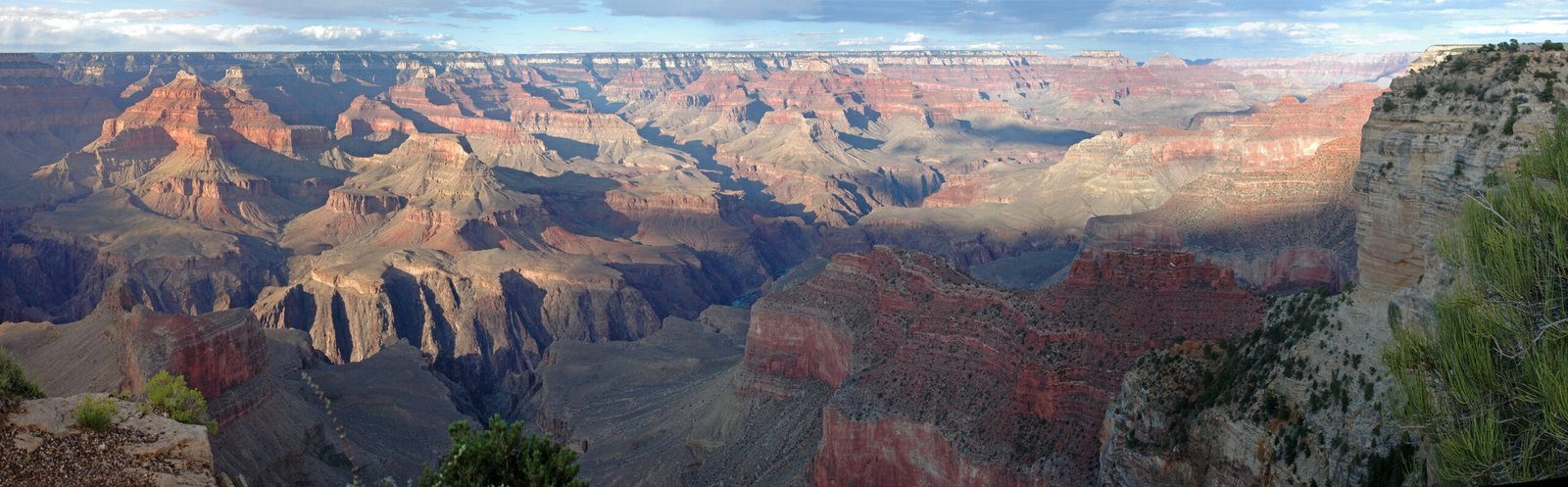
Standing at the rim for the first time is hard to describe: a mile deep, up to 18 miles wide, and layered in rock that spans nearly two billion years. Most visitors see the canyon from the South Rim, but how you plan your time, and which rim you choose, shapes the whole trip.

View into the Grand Canyon from the South Rim

South Rim or North Rim?

South Rim
  • Open all year, around 7,000 feet in elevation.
  • Home to Grand Canyon Village, the main visitor center, lodges, restaurants, and free shuttle routes.
  • Easy road access from Flagstaff and Williams, Arizona.
  • The town of Tusayan sits just outside the south entrance.

North Rim
  • About 1,000 feet higher, cooler, and far quieter. Open seasonally, usually mid-May to mid-October.
  • A wildfire destroyed the historic Grand Canyon Lodge, and services on the North Rim are limited while recovery continues.
  • Expect some closed areas and very limited lodging; check the park’s North Rim status page before you go.

The rims are only about 10 miles apart as the raven flies, but the drive between them is roughly 215 miles, about four to five hours. Most travelers choose one rim per trip.

South Rim Highlights

  • Mather Point and Yavapai Point: Classic first views, a short walk from the visitor center.
  • The Rim Trail: A mostly paved, mostly flat path that links viewpoints along the edge. Walk any section and ride the shuttle back.
  • Hermit Road: A 7-mile scenic drive to the west that is served by a free shuttle for most of the year. Hopi Point is a favorite for sunset.
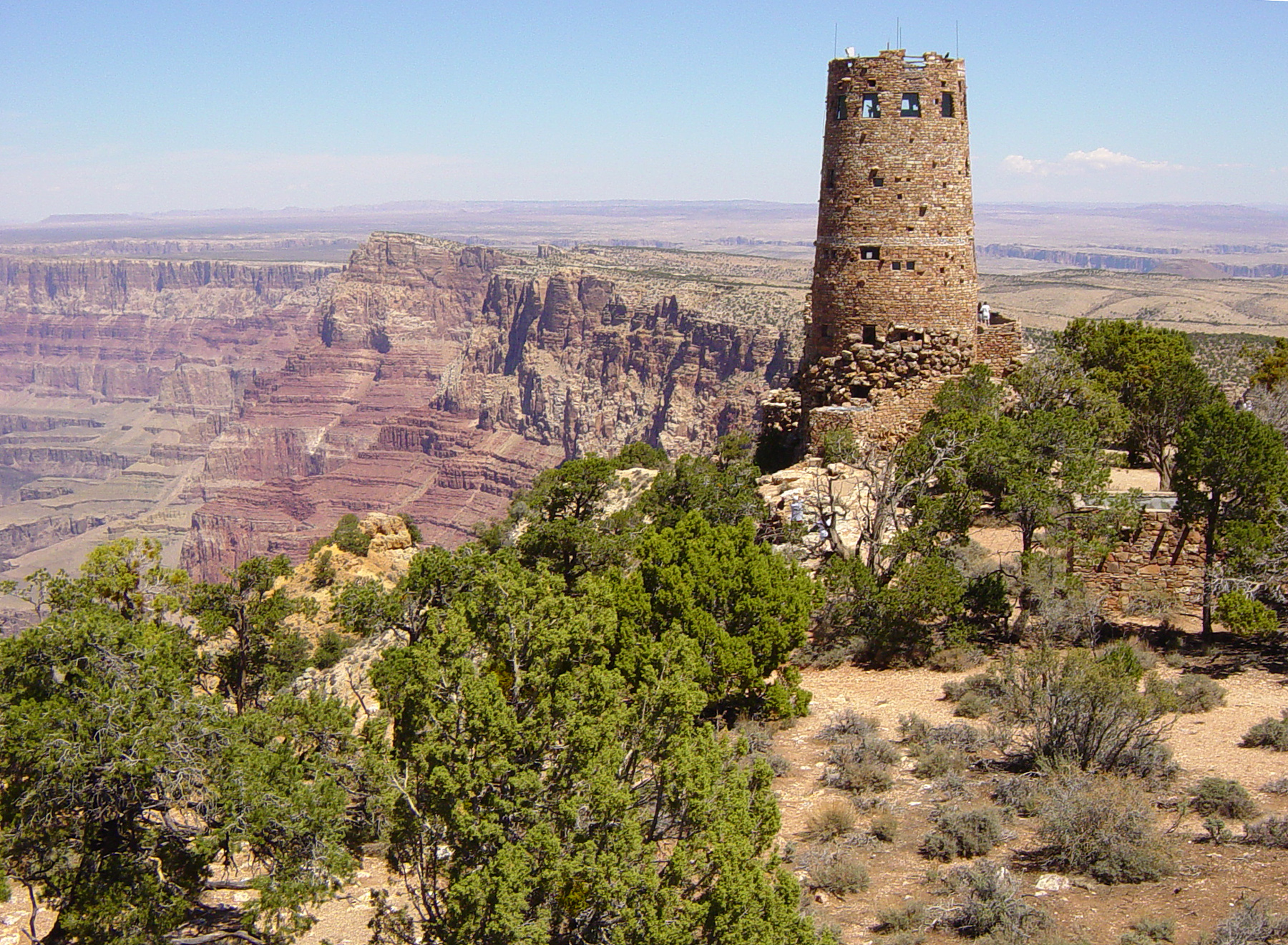
  • Desert View Drive: A 25-mile drive east to the Desert View Watchtower, designed by architect Mary Colter. It is a great stop if you are arriving or leaving through the east entrance.

Hiking Below the Rim

Even a short walk below the rim changes how you see the canyon. Good first hikes:

  • South Kaibab Trail to Ooh Aah Point (about 1.8 miles round trip) or on to Cedar Ridge (about 3 miles round trip).
  • Bright Angel Trail to the 1.5-Mile Resthouse (about 3 miles round trip), with water seasonally available.
Ranger Tip

Going down is optional; coming up is mandatory. The climb out takes about twice as long as the hike down. Rangers strongly discourage hiking to the river and back in a single day, especially in summer, when inner-canyon temperatures can climb above 110°F. In hot weather, avoid hiking in the middle of the day, turn around before you are halfway tired, and eat salty snacks as well as drinking water.

When to Go

JFMAMJJASOND
BestGoodHot, go earlyCold, quiet
SeasonCrowdsRim ViewsBelow the RimNorth Rim
SpringSouth Rim 50s–70s °F
SummerSouth Rim 80s °F, 100s °F below
FallSouth Rim 50s–70s °F
WinterSouth Rim 40s °F, snow

Crowds: more dots means busier.   Activities: more dots means better conditions.

Spring and fall offer comfortable rim temperatures and thinner crowds. Summer is busiest and brings afternoon thunderstorms from July through September; lightning on the rim is a real hazard, so move inside when storms build. Winter brings quiet trails and the occasional dusting of snow on the South Rim, while the North Rim is closed.

Know Before You Go
  • The South Rim does not require a timed entry reservation.
  • In-park lodging books up to 13 months ahead. Tusayan and Williams are good backups.
  • Check the park’s alerts for North Rim status and trail closures before you go.

Shop for This Trip

Books for your trip to the Grand Canyon and the Southwest.

Looking for something else? Visit The Trailhead Shop →

Books are sold through Bookshop.org, which supports independent bookstores. I earn a small commission at no cost to you.

Real trip plans, tips, and stories from the national parks and the roads between them.