Geyser Country
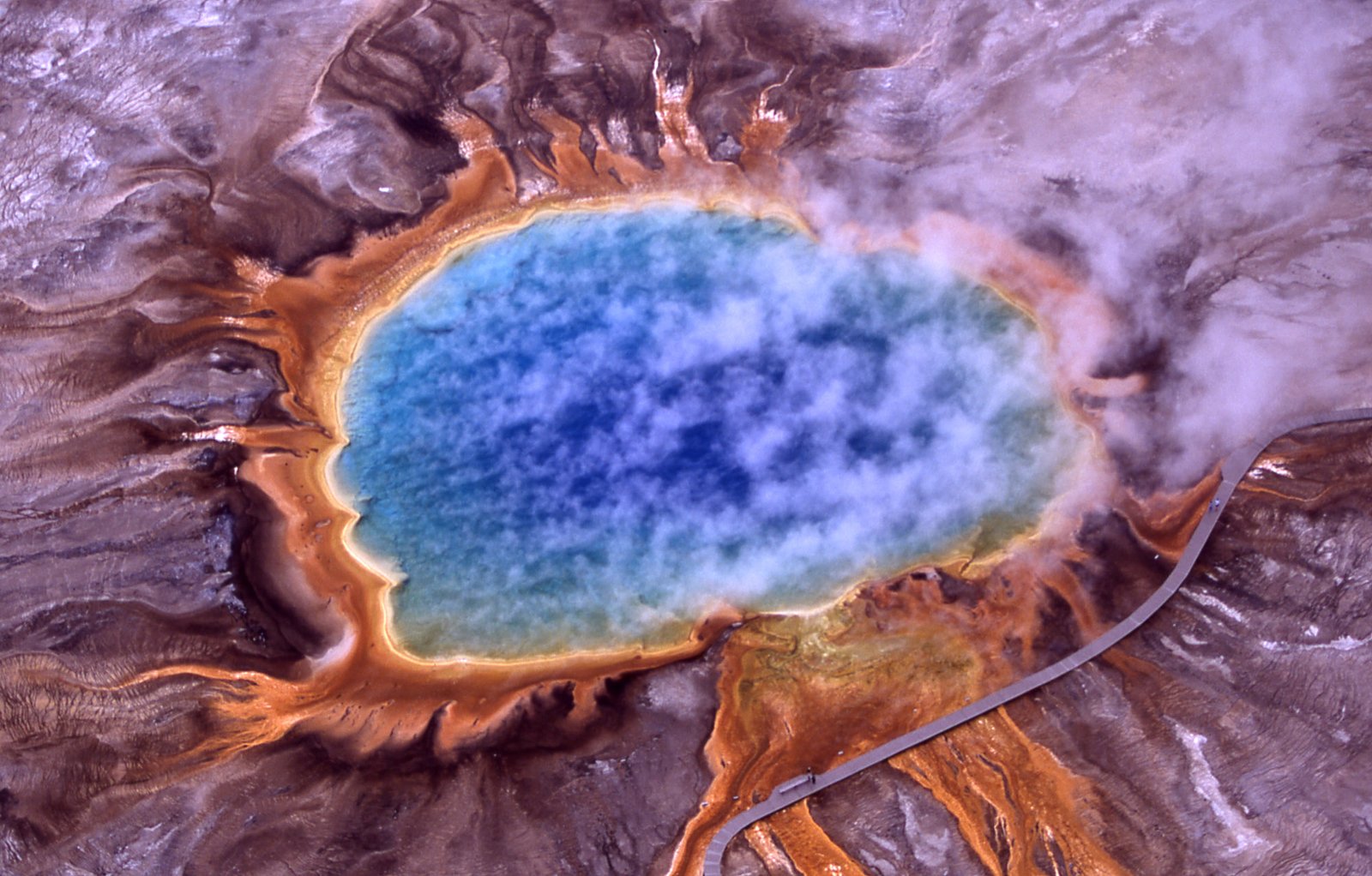
Old Faithful and the Upper Geyser Basin boardwalks hold the greatest concentration of geysers on earth. For the best view of Grand Prismatic Spring, take the Fairy Falls Trail to the overlook above it.


Established in 1872, Yellowstone sits on top of an active volcano and holds roughly half of the world’s geysers. A 142-mile figure-eight road, the Grand Loop, connects its geyser basins, canyons, lakes, and wildlife-filled valleys. It is big enough that the best trips focus on regions rather than trying to see everything.
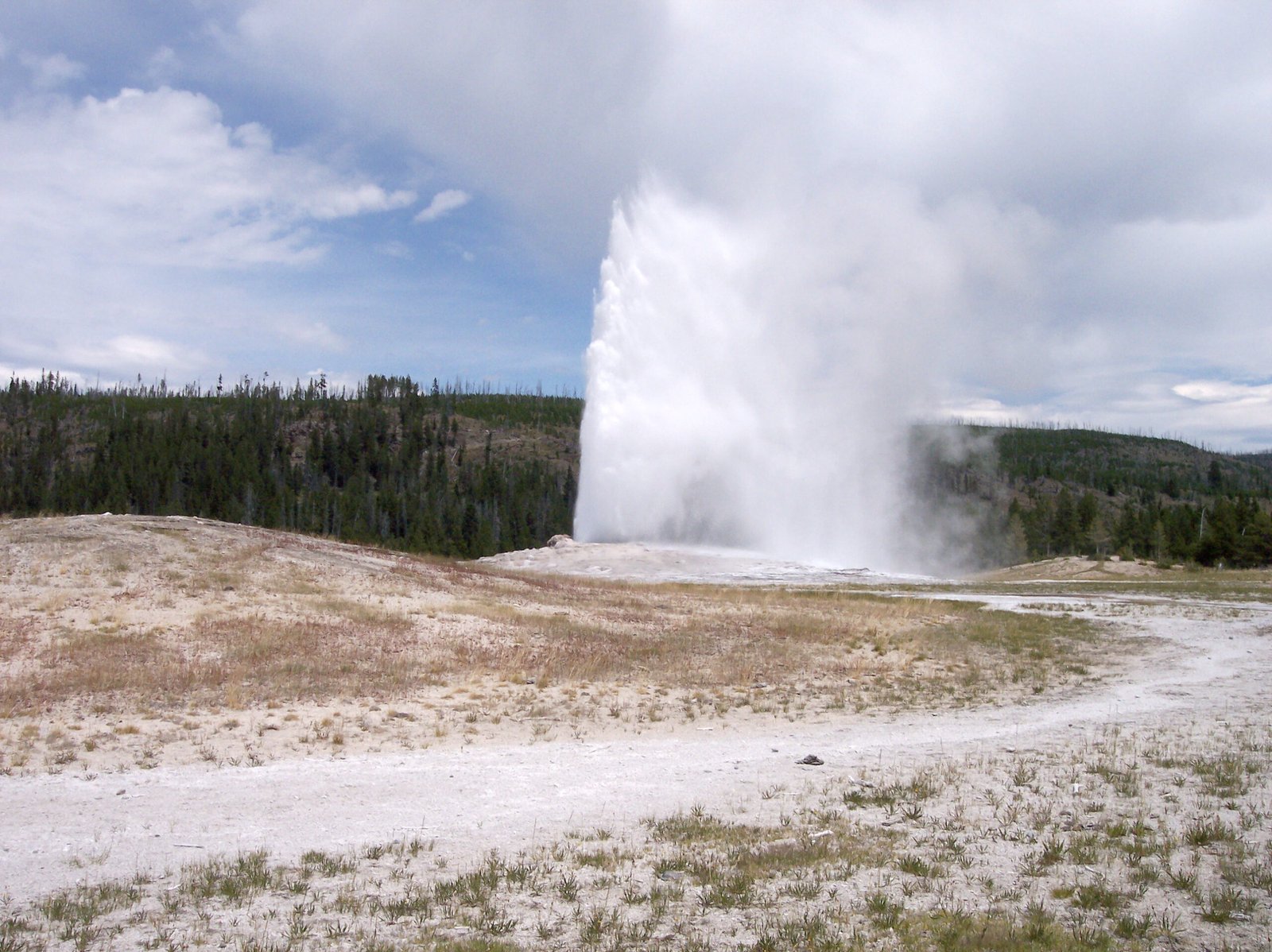
Old Faithful and the Upper Geyser Basin boardwalks hold the greatest concentration of geysers on earth. For the best view of Grand Prismatic Spring, take the Fairy Falls Trail to the overlook above it.
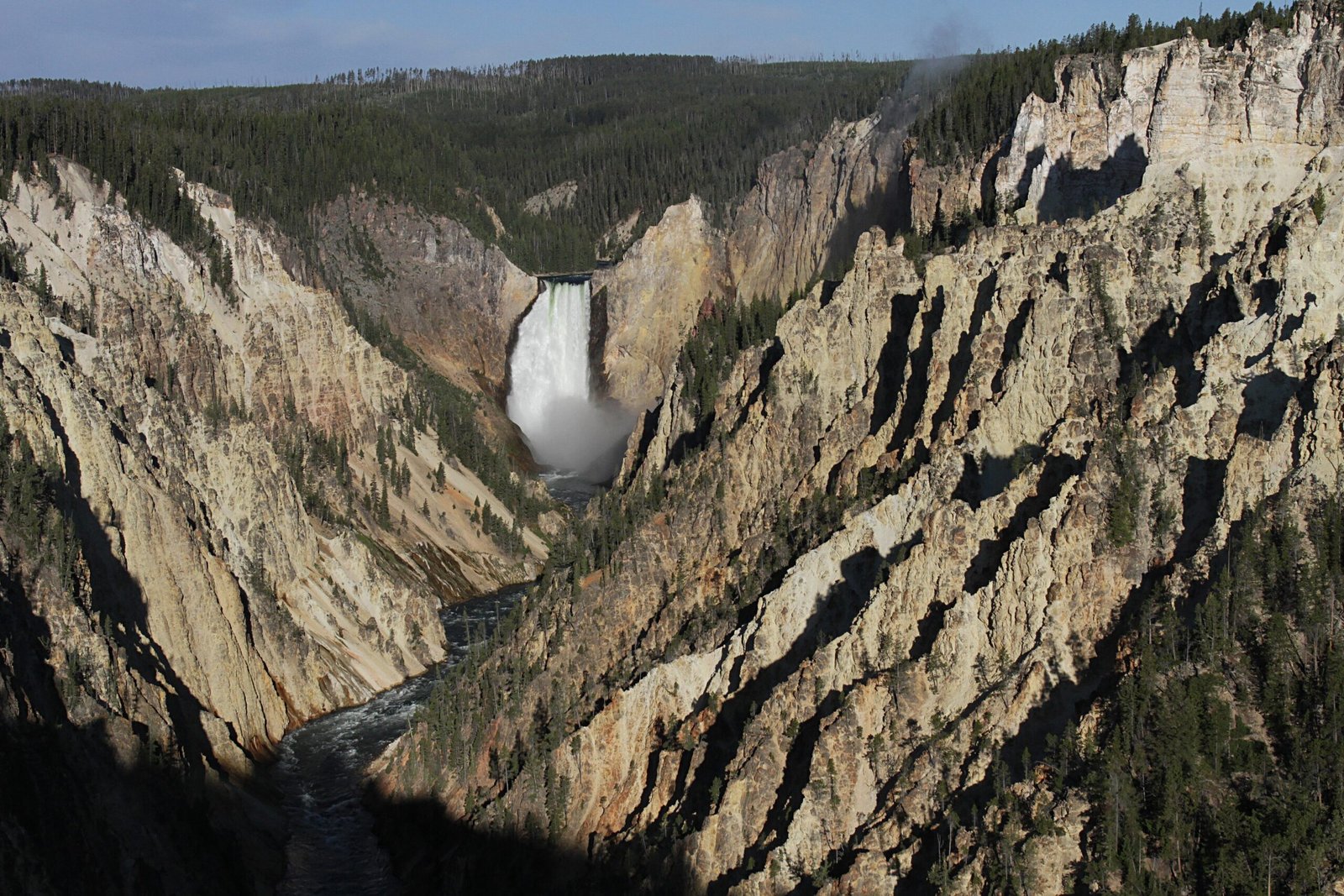
The Yellowstone River plunges over Lower Falls into a canyon of yellow and pink rock. Artist Point is the classic view; the Brink of Lower Falls trail puts you right at the edge of the water.
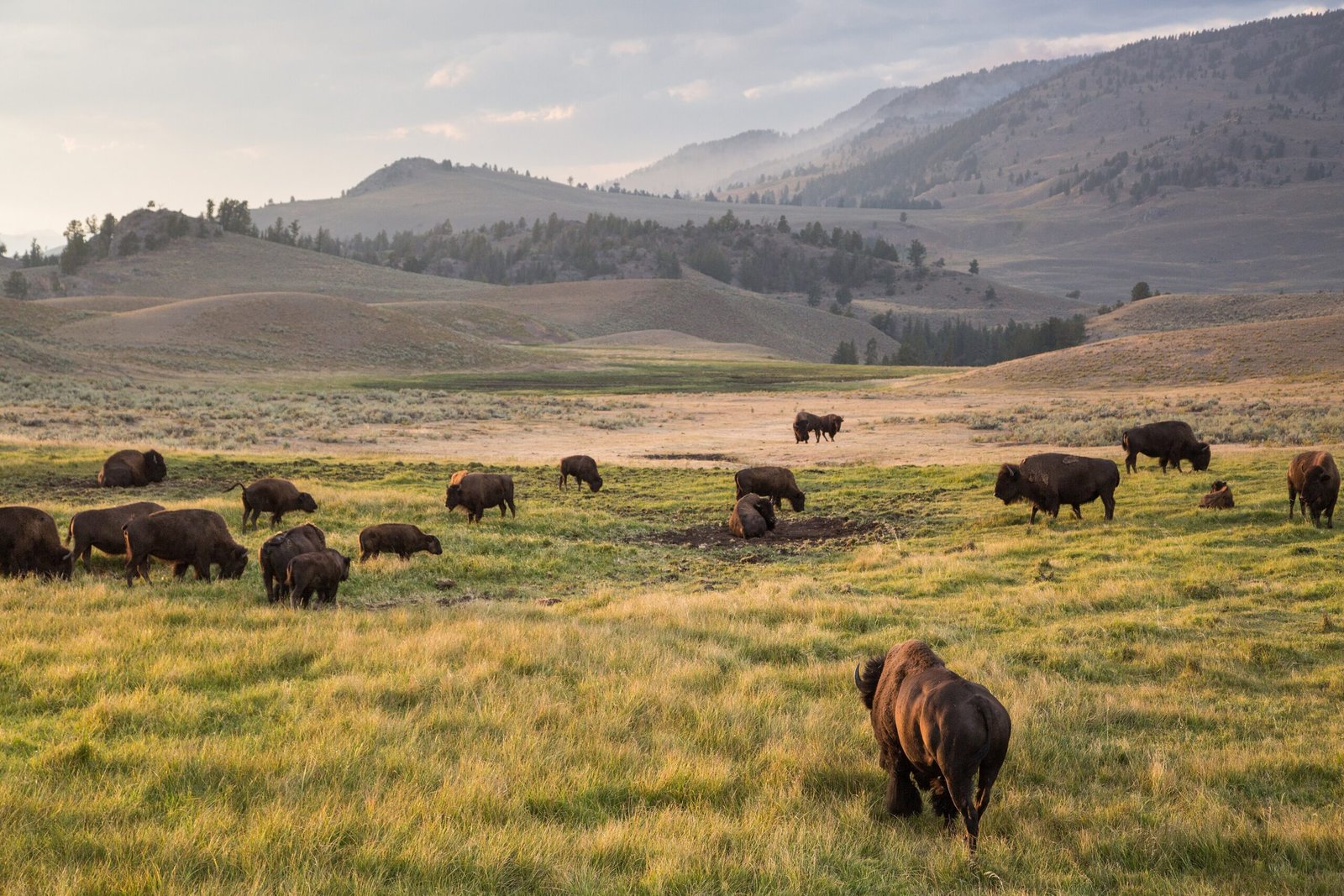
Often called America’s Serengeti. Come at dawn or dusk with binoculars for bison herds, pronghorn, and, with luck and patience, wolves.
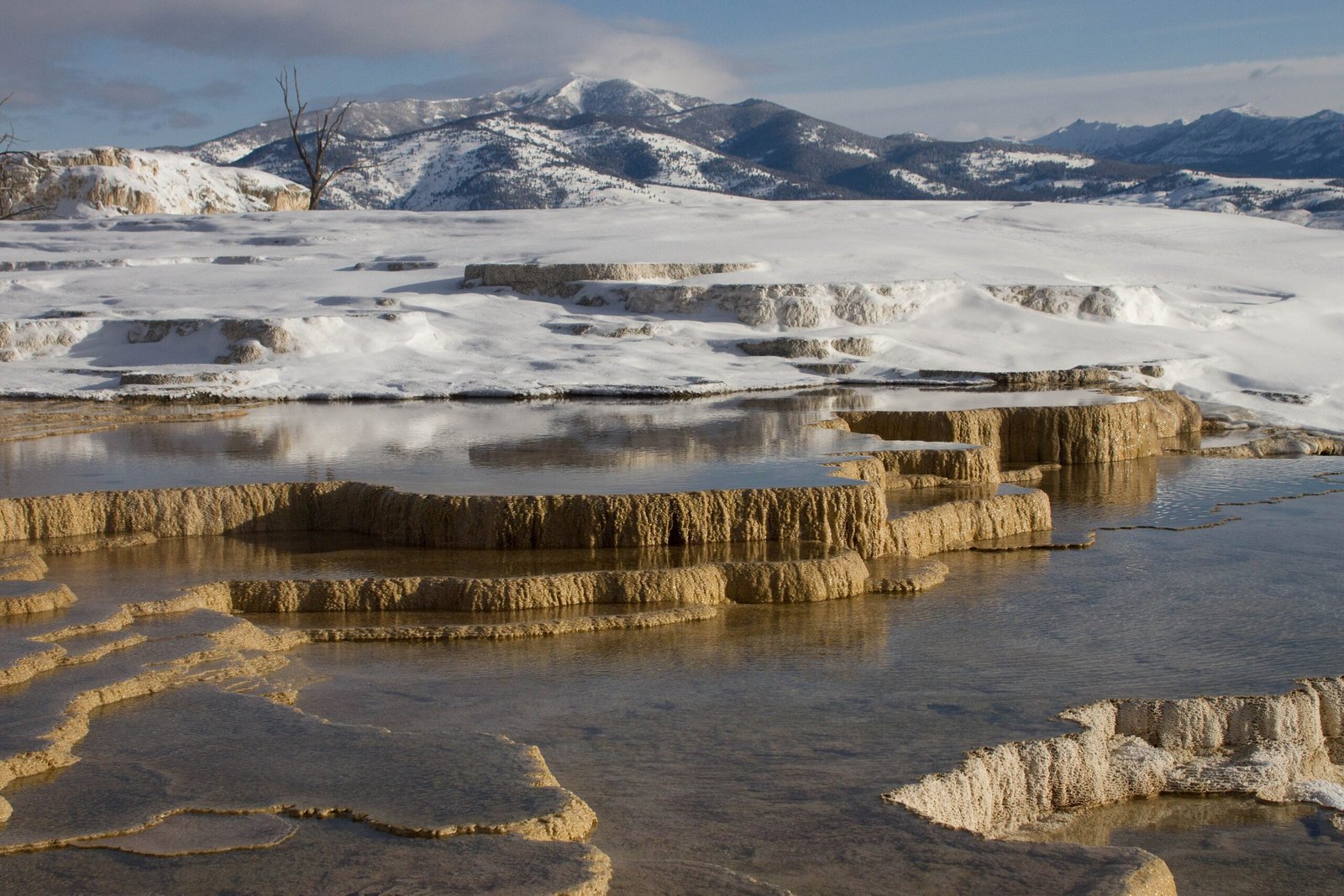
Travertine terraces that change shape every year, near the North Entrance. Elk often graze right in the village.
Late May through September is when all park roads are typically open. July and August are busiest; late May, June, and September bring thinner crowds and excellent wildlife viewing. Most roads close to regular vehicles from early November to mid-April. The road from the North Entrance to the Northeast Entrance, through Lamar Valley, is the only one open to cars all year. In winter, guided snowcoach and snowmobile tours reach Old Faithful.

