- Hidden Valley: A 1-mile loop through a rock-walled valley, once said to hide cattle rustlers. A perfect first stop.
- Barker Dam: An easy loop to a historic ranching-era water tank that sometimes holds water after rain, drawing birds and bighorn sheep.
- Skull Rock: A quick roadside stop with a short nature trail between Jumbo Rocks and the boulders.

Destinations
Where Two Deserts Meet
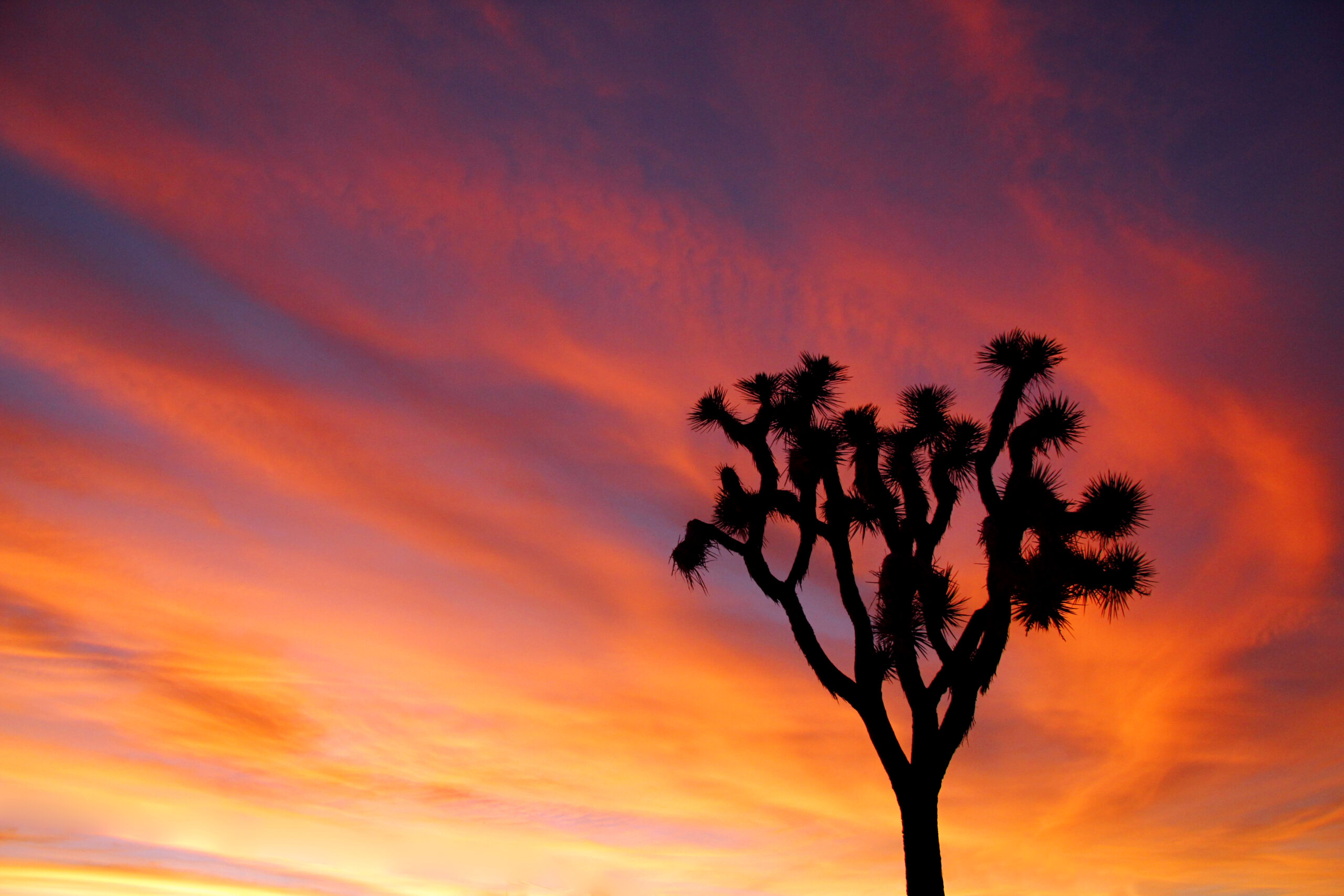
Two deserts come together here. The higher, cooler Mojave is home to the park’s namesake Joshua trees and giant boulder piles; the lower, hotter Colorado Desert brings cholla gardens and ocotillo. By day it is a playground of rocks and trails. After dark, it is one of the best places in Southern California to see the stars.
By Day
- Cholla Cactus Garden: A short boardwalk through a dense stand of teddybear cholla. Stay on the path; the spines detach easily.
- Keys View: A paved road to a 5,000-foot overlook of the Coachella Valley, with the San Andreas Fault below.
- Arch Rock: An easy walk from the White Tank area to a natural granite arch.
By Night
Joshua Tree is a certified International Dark Sky Park. Plan your trip near a new moon for the darkest skies, and give your eyes 20 to 30 minutes to adjust. The southern half of the park, around Cottonwood and Pinto Basin, is darkest because it is farthest from town lights. Use a red light so you don’t spoil your night vision, or anyone else’s.
Desert Smarts
Ranger Tip
- Carry at least a gallon of water per person per day, and more in warm weather. There is little to no water in the park.
- There is no reliable cell service inside the park. Download maps before you arrive.
- Don’t trust GPS blindly. Some devices route drivers onto unpaved four-wheel-drive roads.
- Summer temperatures often top 100°F. Hike early, rest in the shade midday, and know the signs of heat illness.
- Fill your gas tank before you enter. There are no gas stations in the park.
Camping
The park has nine campgrounds. Most sites can be reserved on Recreation.gov up to six months ahead, and they fill quickly from October through May. If you strike out, there are private campgrounds near the park and free dispersed camping on Bureau of Land Management land to the north and south.
Entrances and When to Go
JFMAMJJASOND
BestGoodHot, go earlyVery hot
| Season | Crowds | Hiking | Wildflowers | Stargazing |
|---|---|---|---|---|
| Spring70s–80s °F | ||||
| Summer100s °F | ||||
| Fall70s–90s °F | ||||
| Winter60s °F, freezing nights |
Crowds: more dots means busier. Activities: more dots means better conditions.
- West Entrance (near the town of Joshua Tree): the busiest, closest to Hidden Valley and the boulder country.
- North Entrance (Twentynine Palms): usually shorter lines, near the Oasis Visitor Center.
- Cottonwood (South) Entrance off I-10: the quietest, and the best choice if you are arriving from the Coachella Valley.
October through April is the best time to visit, with spring wildflowers in good rain years. To skip the lines, enter before 10 a.m. or after 2 p.m., and visit Monday through Thursday when you can.
Shop for This Trip
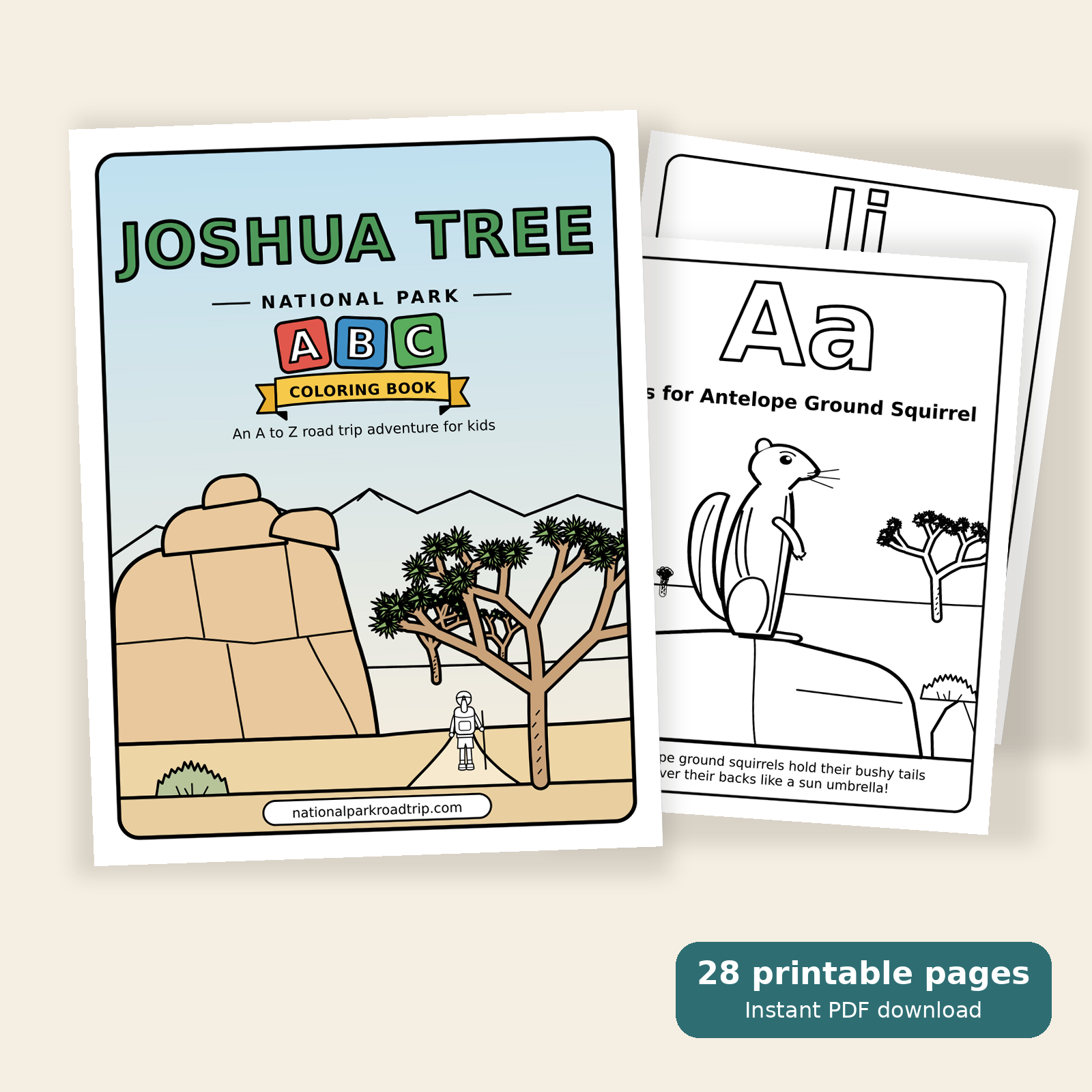
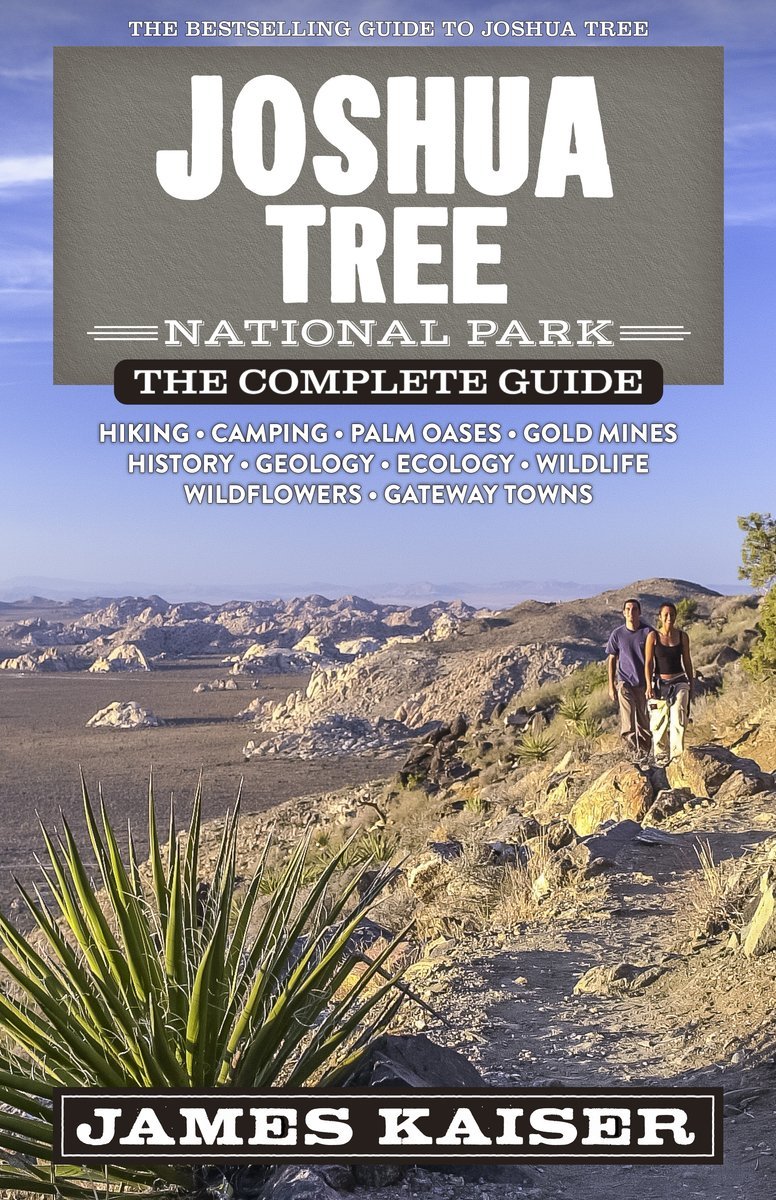
Guides, kids’ books, and a coloring book for your Joshua Tree trip.
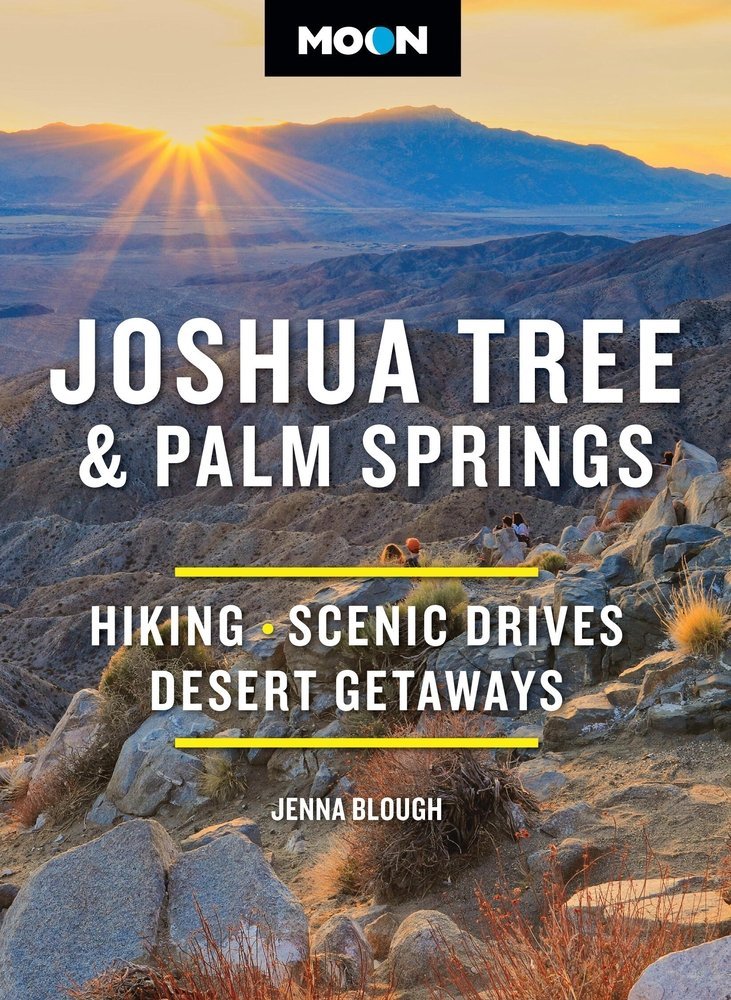
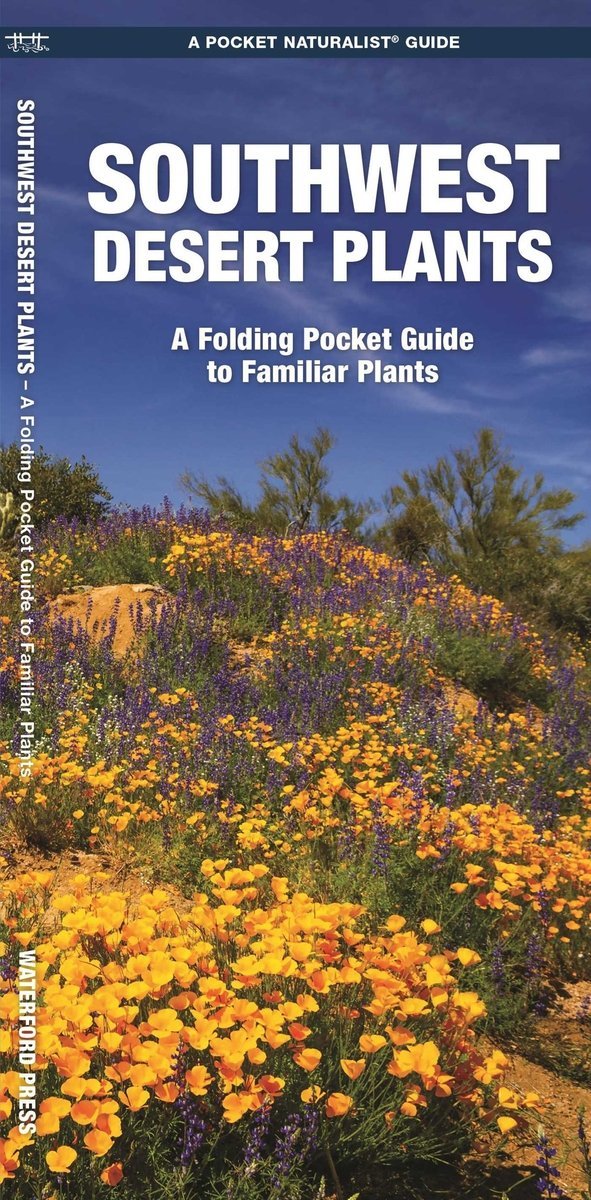
Looking for something else? Visit The Trailhead Shop →
Books are sold through Bookshop.org, which supports independent bookstores. I earn a small commission at no cost to you.

