

Destinations
Where the Land Is Still Being Made
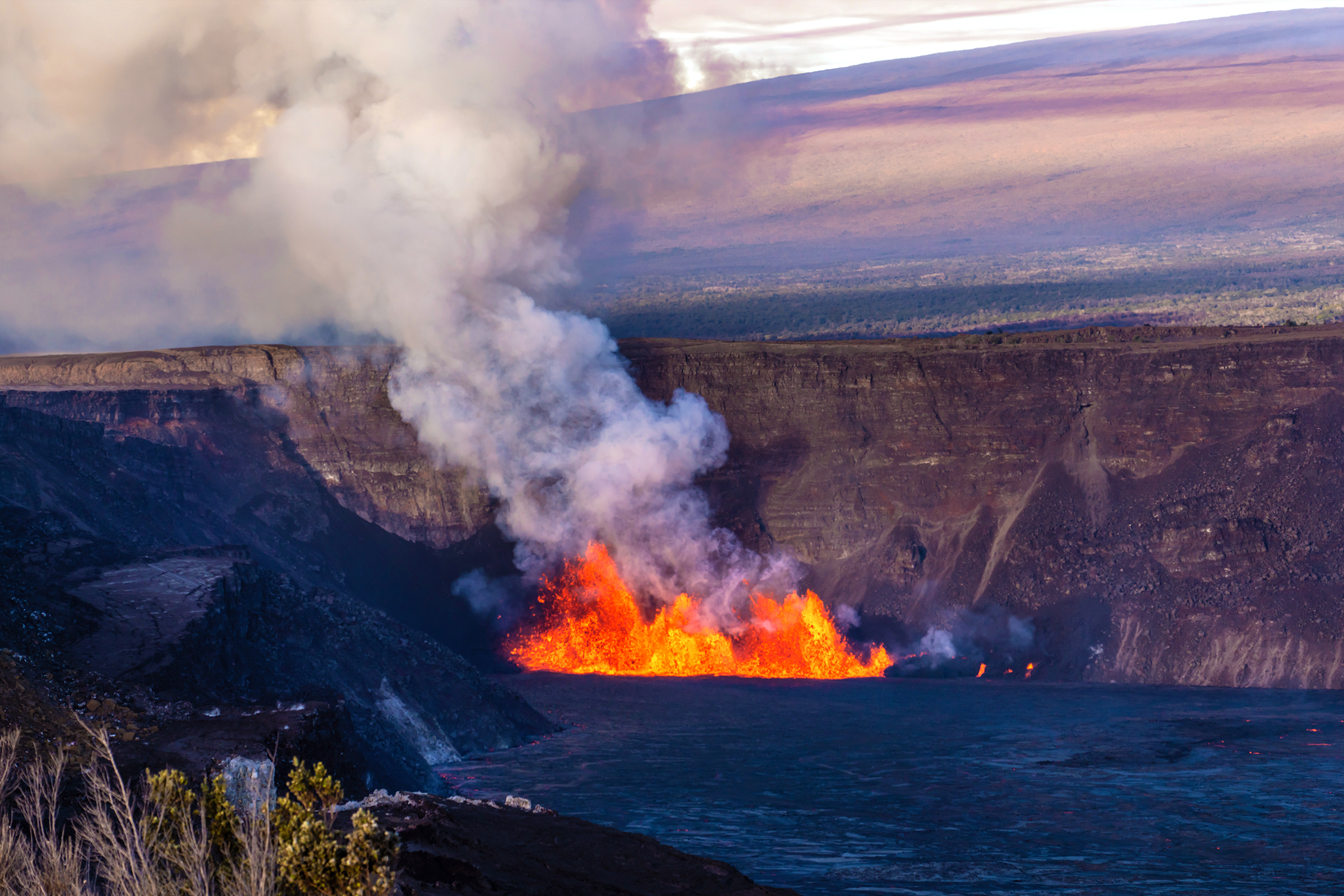
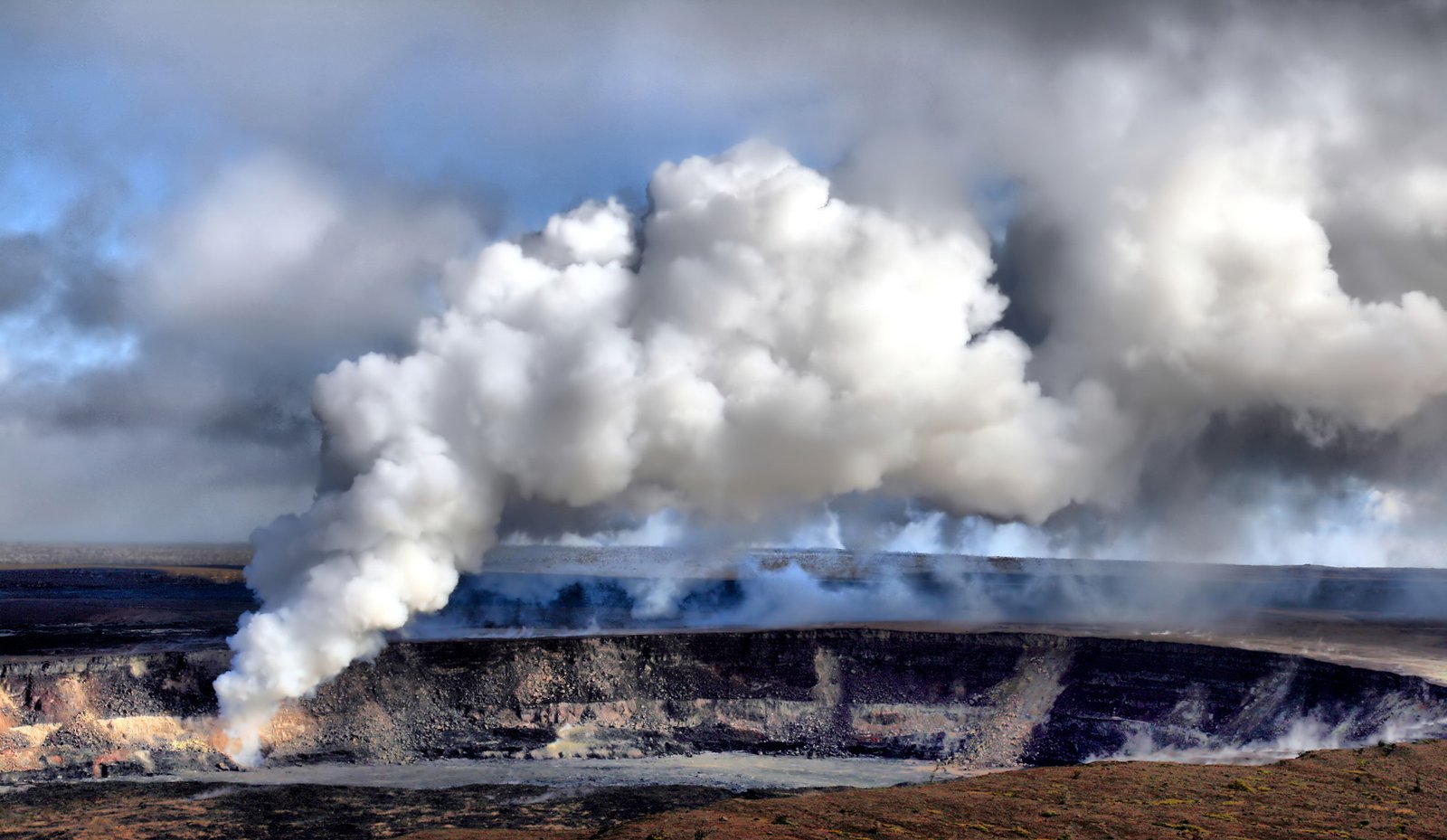
Two of the world’s most active volcanoes, Kīlauea and Mauna Loa, meet here, and the land is still being made. This is the home of Pele, and standing on the rim of Kīlauea’s caldera, watching steam (or glowing lava) rise from Halemaʻumaʻu crater, is one of those moments that stays with you.
Born of fire · Mālama ka ʻāina ·
Born of fire · Mālama ka ʻāina ·
Watching the Eruption
Kīlauea erupts on and off. In recent years it has erupted in episodes inside Halemaʻumaʻu crater, entirely within the park. Some episodes send lava fountains high above the crater floor; between episodes, the crater may only steam. The eruption area itself is closed, but there are safe, open viewing areas along the caldera rim.
Nighttime is magic when lava is active: the glow lights up the clouds. Bring a flashlight and a warm layer, and check the park’s eruption page and the USGS Hawaiian Volcano Observatory before you go, because an episode can start or stop with little warning.
Ranger Tip
- Stay on marked trails and behind barriers. Cracks and crater edges can collapse without warning.
- Volcanic gas (vog) can be hard on children, pregnant visitors, and anyone with heart or breathing conditions. If you feel unwell, move to a different area.
- Tephra (volcanic glass) can fall during strong episodes and makes roads slick. Follow ranger instructions if an area closes.
Must-Sees
Plan Your Visit
JFMAMJJASOND
BestGoodWetter
| Season | Crowds | Hiking | Clear Skies |
|---|---|---|---|
| Kau (May–Oct)Summit 60s–70s °F | |||
| Hoʻoilo (Nov–Apr)Summit 50s–60s °F, more rain |
Crowds: more dots means busier. Activities: more dots means better conditions.
Fees and passes
$30 per vehicle for 7 days. The Tri-Park Annual Pass covers Hawaiʻi Volcanoes, Haleakalā, and Puʻuhonua o Hōnaunau. America the Beautiful passes are accepted.
Visitor center
Kīlauea Visitor Center has been closed for renovation, so check the park website to see whether it has reopened. While it is closed, rangers, Junior Ranger books, and the park store are at the Welcome Center at Kīlauea Military Camp.
What to bring
Rain jacket, warm layers, closed-toe shoes, a flashlight for evening viewing, snacks, and your own water. Services inside the park are limited.
Where to stay
Volcano House sits right on the caldera rim, and Nāmakanipaio Campground has tent sites and cabins. Volcano Village, just outside the park, has cozy rentals and B&Bs. Hilo is about 45 minutes away.
Don’t skip the Kahuku Unit
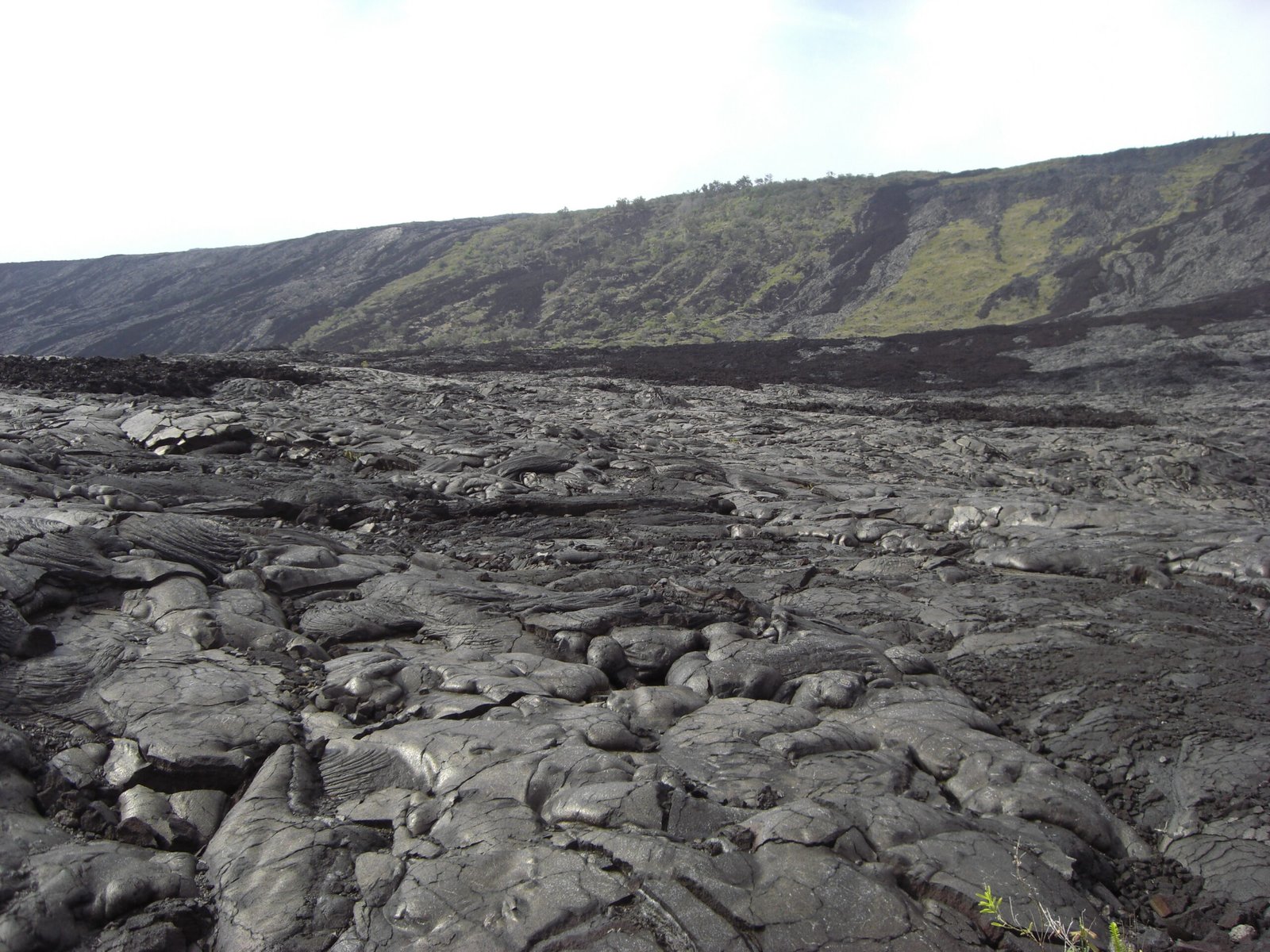
Off Highway 11 near mile marker 70.5, this quieter section of the park has trails across former ranch land and an 1868 lava flow. It’s an easy stop if you’re driving from Kona.
Eat Nearby
Gateway Towns
Most visitors base themselves in Hilo (about 45 minutes away) or drive over from Kona (about 2.5 hours via Highway 11).
Shop for This Trip
Guides and books for your visit to Hawaiʻi Volcanoes and the islands.

Looking for something else? Visit The Trailhead Shop →
Books are sold through Bookshop.org, which supports independent bookstores. I earn a small commission at no cost to you.

